
Utility work can become one of the most expensive parts of an accessory dwelling unit project. When I review California ADU utility connection requirements, I start with the ADU type, existing capacity, local providers, and whether the property uses public sewer or septic. Those facts determine whether the unit can share service, use a submeter, or needs a separate connection.
California law provides fee protections, but agencies and utilities may still require plans, load calculations, inspections, and proof of capacity.
Do Utility Rules Change by California ADU Type?
Yes. Qualifying JADUs and conversion ADUs generally receive stronger protections than some new-construction units.
Can a JADU Share the Main House Utilities?
A junior accessory dwelling unit can contain no more than 500 square feet and must remain within a single-family residence. It may have its own bathroom or share sanitation facilities. For qualifying units under Government Code Section 66323(a)(1), an agency generally cannot demand a new or separate utility connection or related fee unless an exception applies.
Do Conversion ADUs Need New Connections?
A conversion ADU may use an existing garage, basement, room, or accessory structure. A qualifying conversion generally cannot be forced to install separate service. However, the project must fit the protected category, and the existing systems must safely handle the added demand.
Can a New Detached ADU Require Separate Service?

For an ADU outside the protected category, a utility or local agency may require a separate connection. That does not mean every new ADU must connect directly to the street. The provider, site plan, and capacity control the final design.
Any permitted water or sewer charge must remain proportionate to the ADU’s burden and cannot exceed the reasonable cost of service.
Does an ADU Need a Separate Electrical Meter?
California does not impose one universal meter arrangement. A property may use one main meter, a main meter with an ADU submeter, or separate utility meters. Separate metering can simplify tenant billing but may add trenching, equipment, and inspection costs.
I would not assume every ADU needs a 100- to 200-amp subpanel. A licensed electrician should calculate the load from HVAC, water heating, cooking, laundry, lighting, receptacles, and any EV charger. That determines whether the project needs a subpanel, panel upgrade, service upgrade, load management, or separate meter.
SDG&E separates changes to existing service from new construction requiring electric or gas installations. PG&E also treats an ADU adding a meter or service as a building and renovation project. Neither public page requires every detached ADU to have a separate meter.
How Should an ADU Connect to Water?
Every ADU needs an approved potable water supply. Where shared service is allowed, a plumber may branch the ADU line from the property’s private water service and add a shutoff or pressure regulator. This is a common approach, not a statewide rule.
The water provider may review pipe size, pressure, backflow protection, fixture demand, meter capacity, and fire-sprinkler needs. I recommend confirming these items before final plans.
Can an ADU Tie Into the Existing Sewer Line?

Many agencies allow an ADU to join the primary home’s private sewer lateral through an approved wye fitting and accessible cleanout. Approval depends on pipe size, slope, lateral condition, easements, and local standards. A low-lying unit may need a sewage ejector pump.
On a septic property, the owner must show that the onsite wastewater system can handle the additional flow. Review may require a capacity evaluation, upgrade, or percolation test. California law allows an agency to request a percolation test for certain ADUs connected to onsite wastewater systems.
Is Natural Gas Required for a California ADU?
No. Many owners choose all-electric ADUs with heat-pump HVAC, heat-pump water heating, and electric cooking to avoid gas trenching and meter work. Gas may still be used where local rules and the utility allow it.
California’s 2025 Energy Code applies to ADUs and includes electric-ready requirements in certain new single-family projects that install gas or propane appliances.
For a second PG&E gas meter, the owner needs permits, inspections, and an exact ADU address on the documents. The installation must also satisfy PG&E’s clearance and service standards.
Which ADU Utility Fees Can California Agencies Charge?
Government Code Section 66311.5 says an ADU or JADU generally is not treated as a new residential use when connection fees or capacity charges are calculated, unless it is built with a new single-family home. The law also separates utility connection charges from impact fees.
An ADU with 750 square feet or less and a JADU with 500 square feet or less are exempt from impact fees. For an ADU larger than 750 square feet, impact fees must be proportionate to its size compared with the primary dwelling. A lawful water or sewer charge for certain new units may be based on square footage or drainage fixture units.
These upfront utility and impact costs can also affect long-term value. Understanding how property appreciation affects investment returns helps me compare the initial connection expense with the ADU’s potential rental income, added property value, and future resale benefit.
Should I Use Shared Utilities or Separate Meters?
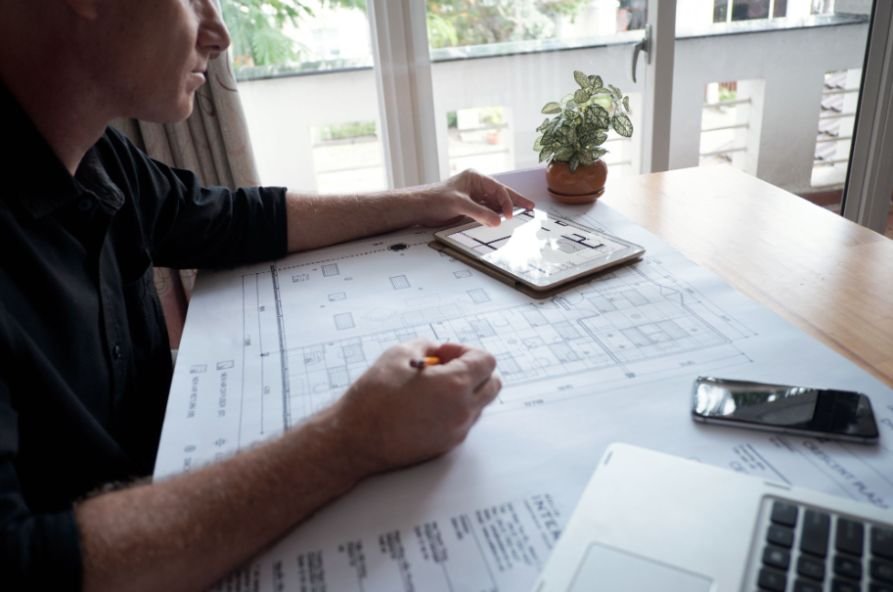
Shared utilities usually reduce upfront construction, while separate meters can simplify billing.
Financing can also shape that decision. When I understand how construction loans work when you already own the land, I can determine whether utility upgrades, trenching, new meters, panel work, and connection fees should be included in the approved construction budget before draws begin.
A submeter may offer a middle ground, but landlords must follow billing, disclosure, maintenance, and meter-accuracy rules. PG&E states that master-meter customers with submetered tenants must comply with California Public Utilities Code Section 739.5 and applicable tariffs.
Frequently Asked Questions
1. Can My City Require Separate Utility Service?
Not for every project. Qualifying JADUs and conversion units receive statutory protection, while other ADUs may be required to install separate service.
2. Are ADUs Under 750 Square Feet Exempt From Every Fee?
No. Units with 750 square feet or less are exempt from impact fees, but permit, plan-check, and lawful utility-related costs may still apply.
3. Can an ADU Share the Main House’s Water Meter?
Yes, if the local water provider approves the connection and the existing service has enough capacity.
4. Who Approves ADU Utility Connections?
The city, utility company, water district, or sewer agency may review and approve different parts of the utility plan.
Plan Utility Work Before Finalizing the Design
The safest way to manage California ADU utility connection requirements is to coordinate the designer, electrician, plumber, building department, and serving utilities before the plans are finished.
I would verify the legal protections, request capacity checks, and obtain provider requirements in writing. That early work helps prevent surprise fees, unnecessary trenching, rejected meter locations, and costly redesigns.
Leave a Reply