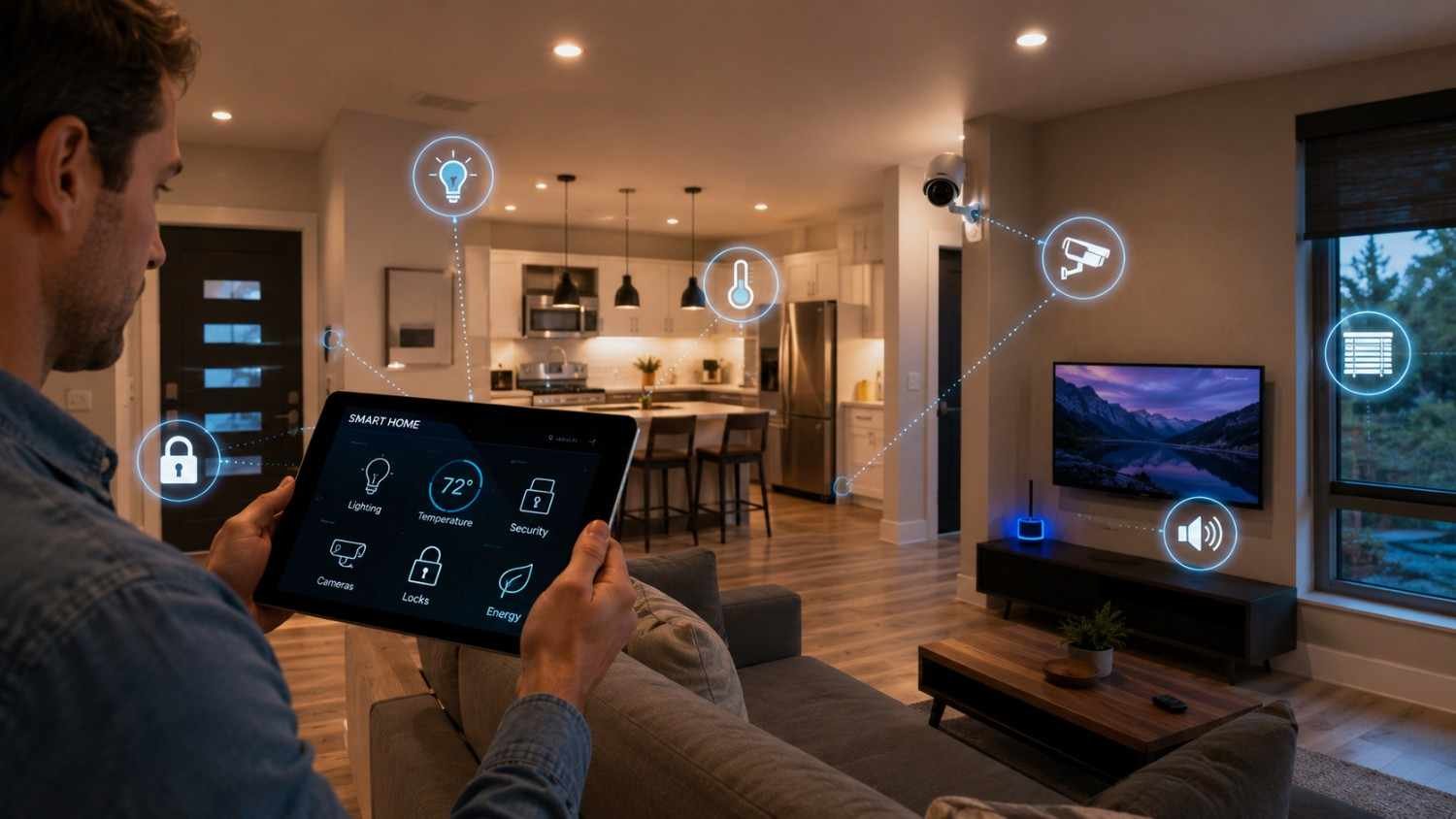
I remember walking into a newly built home a few months ago, expecting to see smart speakers sitting on shelves and control panels covering the walls. Instead, nothing looked particularly high-tech. The lighting adjusted quietly as I moved from one room to another, the temperature felt comfortable without anyone touching a thermostat, and even the window shades responded automatically as the afternoon sun shifted. That experience completely changed the way I looked at modern home design.
It made me realize that today’s smartest homes aren’t trying to show off technology. They’re designed so the technology almost disappears. That’s exactly why smart home market trends have become one of the biggest influences on residential design in 2026. Builders and homeowners are no longer adding gadgets after construction. They’re planning homes around connected living from the very beginning.
Why Smart Homes Are Changing the Way Houses Are Designed
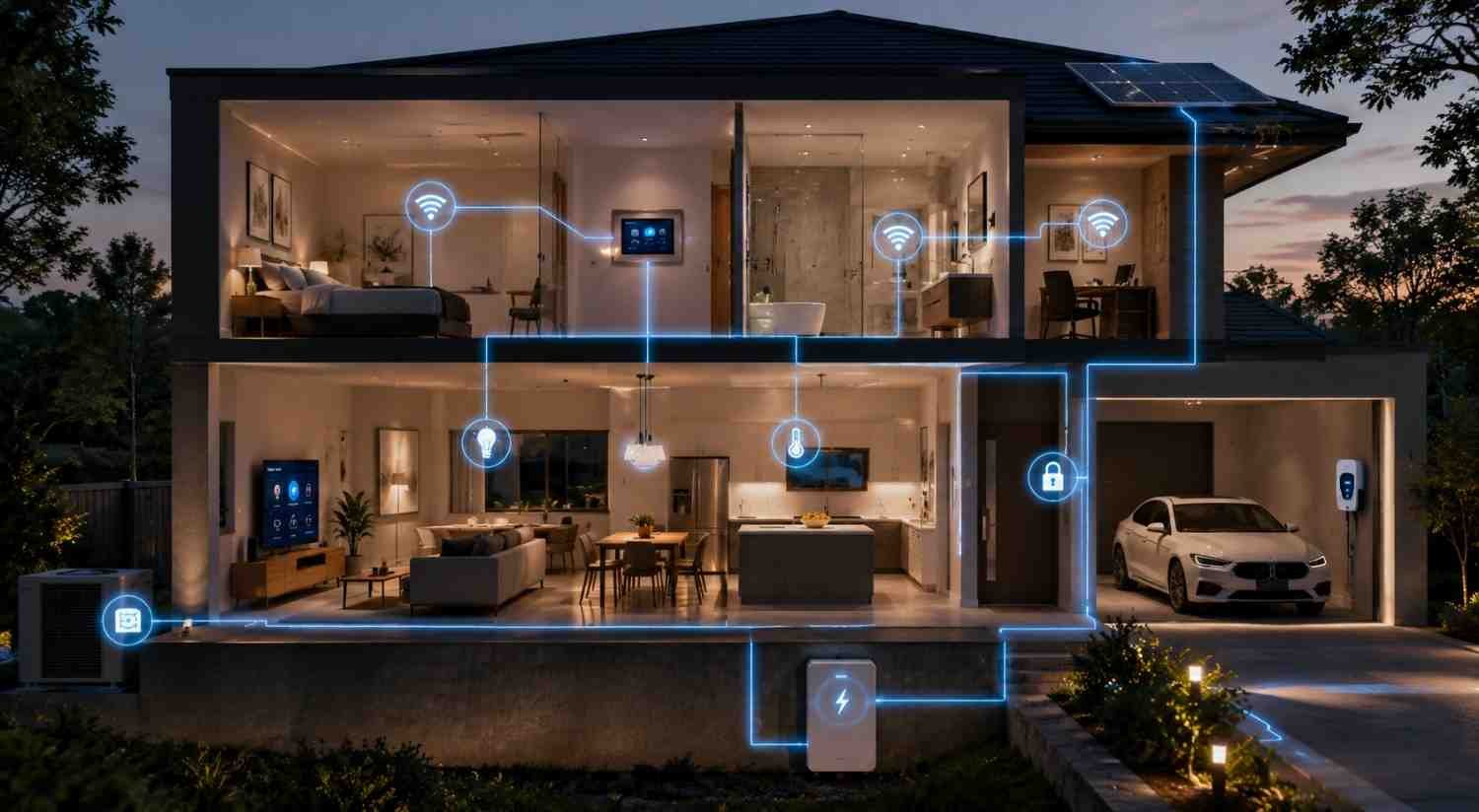
Modern homes are becoming more responsive because people expect them to work around their daily routines. Convenience still matters, but buyers are also thinking about energy efficiency, comfort, security, and long-term value.
Instead of filling rooms with visible devices, architects are designing spaces where technology blends into the background. That shift has changed everything from floor plans and electrical layouts to storage spaces and ventilation systems. Smart home technology is now influencing the structure of a home just as much as its appearance.
Invisible Technology Is Becoming the New Standard
One of the biggest smart home market trends is making technology almost impossible to notice.
Built-in speakers, hidden charging stations, concealed cameras, and flush-mounted sensors help maintain clean interior lines without sacrificing functionality. This approach supports the minimalist style that many homeowners already prefer while reducing visual clutter.
Architects are also working closely with technology specialists much earlier in the design process. Instead of drilling through finished walls to install smart devices later, wiring, networking, and ventilation are planned before construction begins. The result is a home that feels organized rather than overloaded with electronics.
Smart Energy Systems Are Reshaping Home Layouts
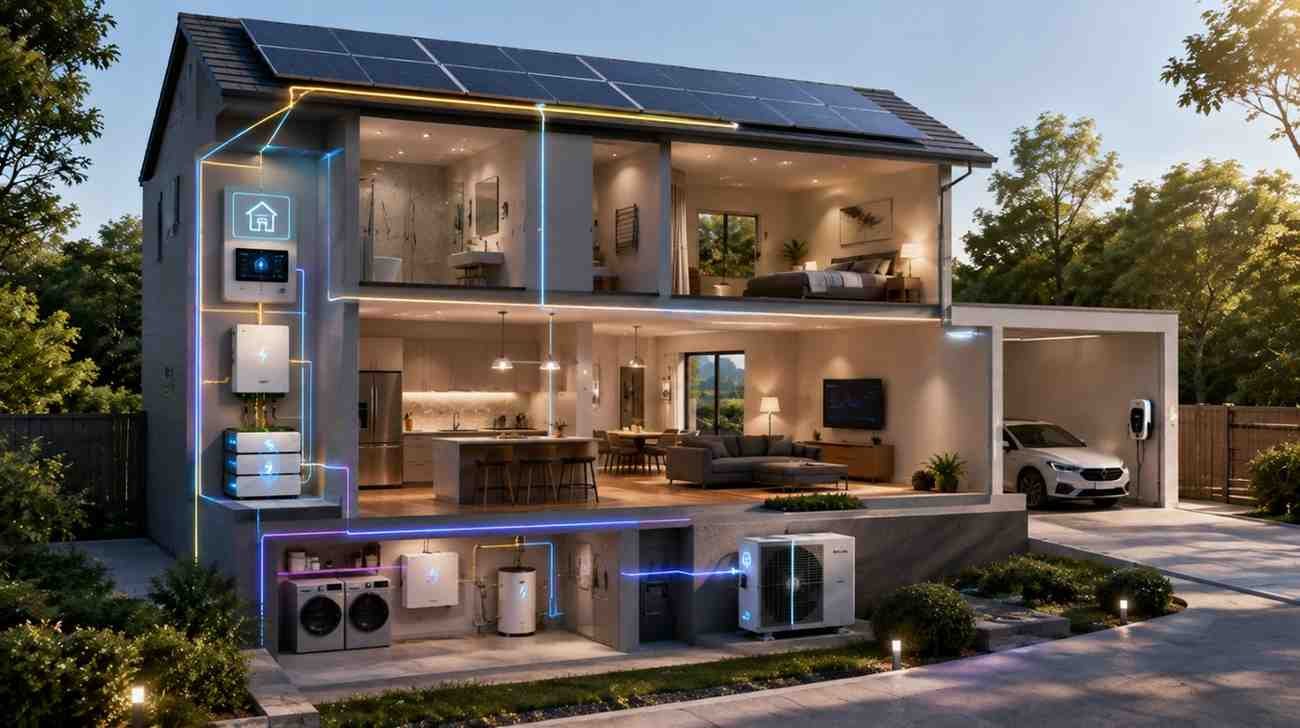
Energy management has become a major design priority.
AI-powered smart thermostats learn household routines and automatically adjust heating or cooling throughout the day. Rather than running constantly, these systems help reduce unnecessary energy use while maintaining consistent comfort.
Many newly designed homes also include dedicated utility areas for solar equipment, battery storage, and smart electrical panels. Appliances can communicate with energy management systems, allowing dishwashers, washing machines, and electric vehicle chargers to operate during lower-cost electricity hours.
These features don’t just lower utility bills. They also make homes more attractive to buyers who value efficiency and sustainability.
Wellness Is Becoming Part of Home Design
Homeowners are paying closer attention to how their living spaces affect everyday well-being.
Circadian lighting has become one of the most interesting innovations. Instead of producing the same brightness all day, smart LED lighting changes color temperature to better match natural daylight. Brighter, cooler tones help support focus during the day, while warmer lighting creates a more relaxing atmosphere in the evening.
Indoor air quality is receiving similar attention. Hidden air quality sensors continuously monitor humidity, airborne particles, and pollutants. When needed, connected ventilation or purification systems automatically respond without requiring homeowner intervention.
Rather than treating wellness as an extra feature, modern homes are beginning to support healthier living through everyday design.
Security Is Becoming Smarter Without Looking Different
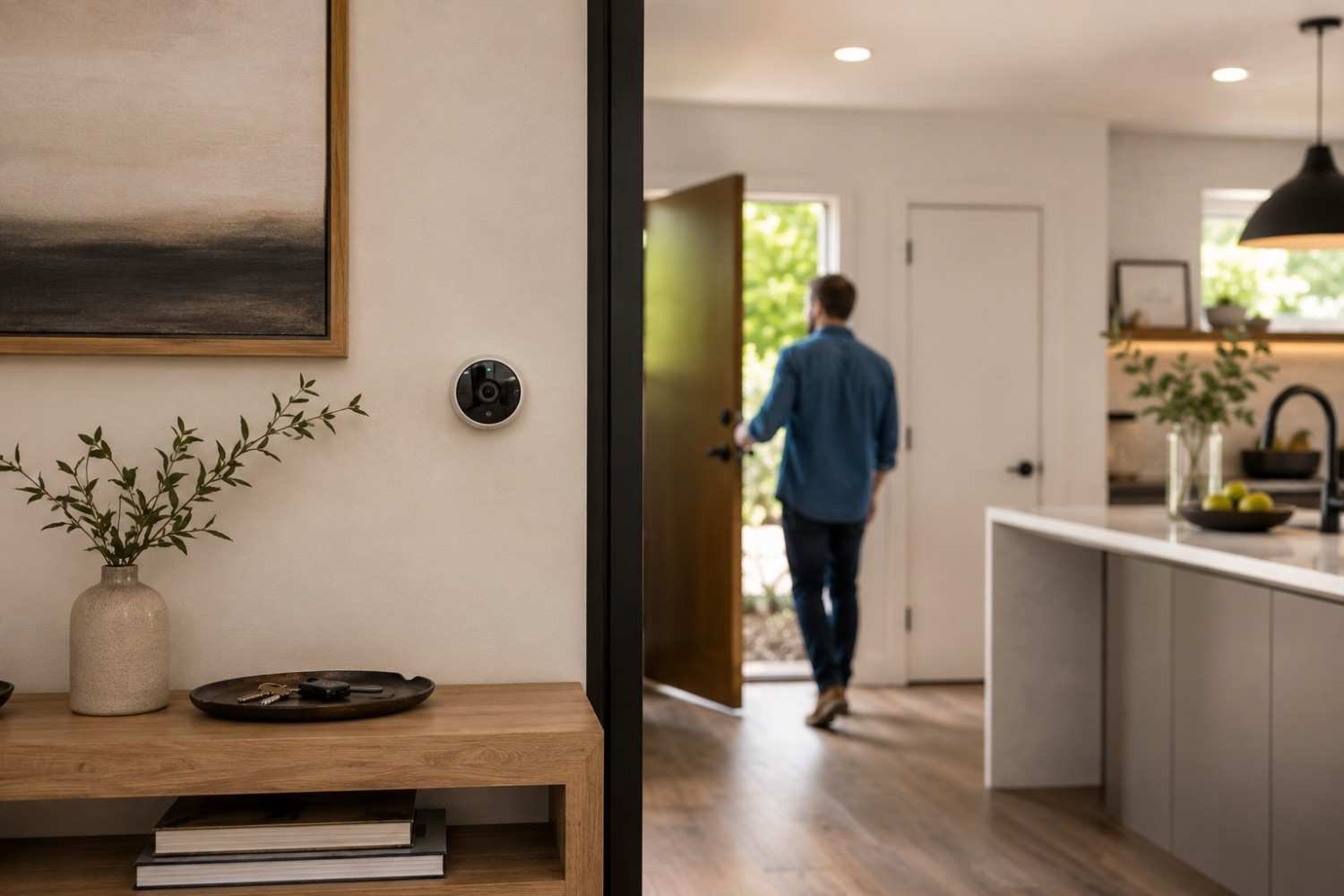
Security systems have evolved well beyond traditional alarms.
Biometric door locks, AI-assisted security cameras, motion sensors, and connected entry systems now work together as part of a unified ecosystem. Many homeowners can verify deliveries, unlock doors remotely, or receive instant notifications through a single application.
Universal connectivity standards like Matter are also making smart homes easier to manage. Instead of juggling multiple control systems from different manufacturers, homeowners can connect compatible devices into one seamless platform.
The technology becomes more useful because it becomes simpler to use.
Buyers Are Thinking Beyond Convenience
Smart home upgrades are no longer viewed as luxury additions. Many buyers now consider them practical investments that improve comfort, reduce operating costs, and support future resale value.
Builders have noticed this shift as well. Features such as automated lighting, connected climate control, and integrated security systems are increasingly appearing in standard construction instead of premium upgrade packages.
For buyers researching long-term property investment opportunities, homes with thoughtfully integrated smart technology often stand out because they’re designed for changing lifestyles rather than short-term trends.
Designing Homes That Can Adapt to the Future
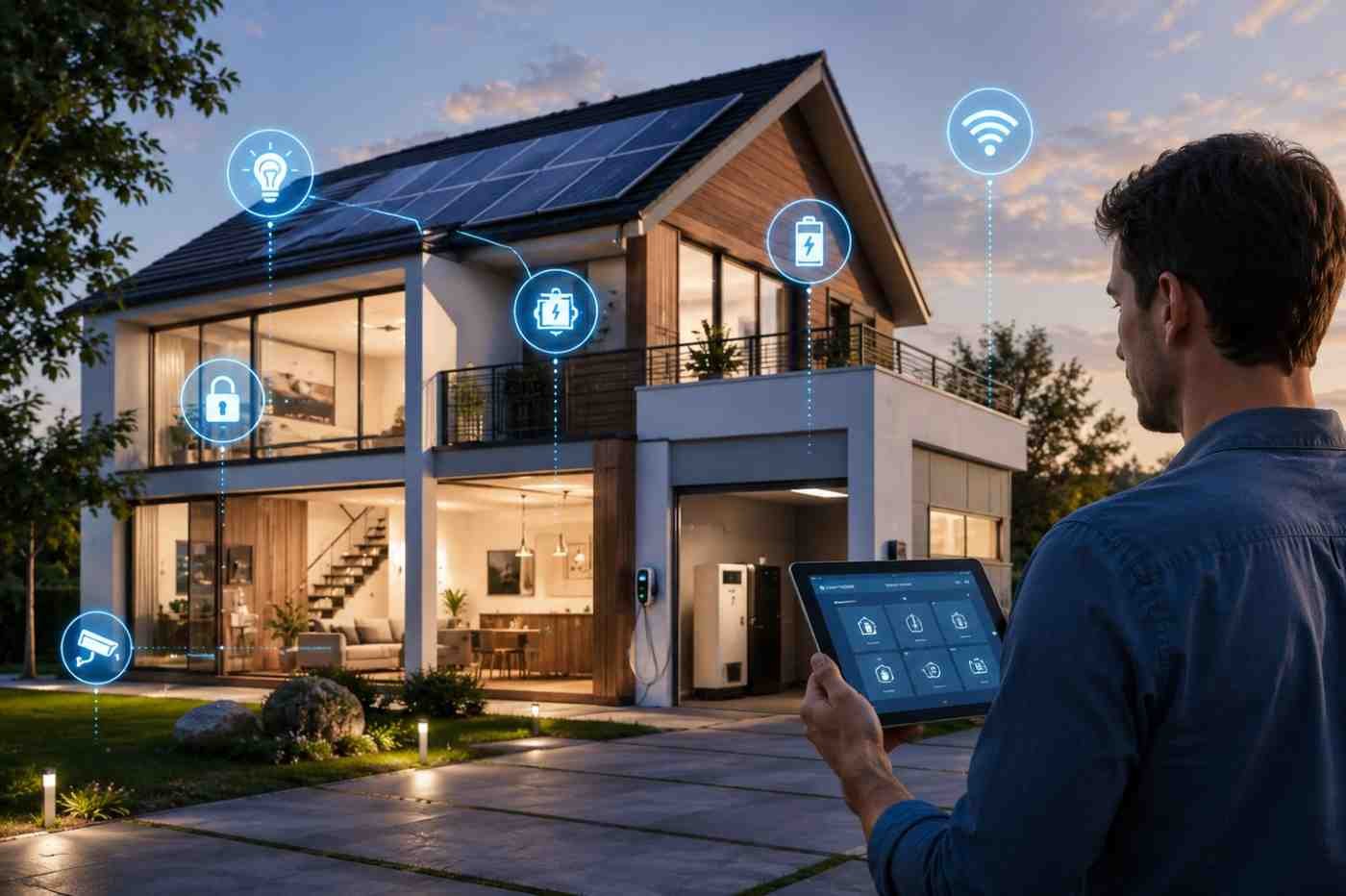
Technology changes quickly, but good home design should last for decades.
That’s why flexibility has become just as important as innovation. Designers are creating homes with adaptable wiring infrastructure, expandable networking systems, and layouts that can support future devices without requiring major renovations.
This forward-thinking approach allows homeowners to adopt new technology as it evolves while protecting the home’s functionality and long-term value.
FAQs: How Smart Home Market Trends Are Influencing Modern Home Design
1. What are the biggest smart home market trends in 2026?
Hidden technology, AI-powered energy management, wellness-focused design, smart security, and connected ecosystems are leading the market.
2. Do smart home features increase property value?
Well-designed smart features can improve buyer appeal by offering better energy efficiency, convenience, security, and long-term functionality.
3. Why are architects planning smart technology earlier?
Planning during construction allows wiring, sensors, ventilation, and automation systems to integrate neatly without disrupting the home’s design.
4. What is Matter, and why is it important?
Matter is a universal smart home standard that allows compatible devices from different brands to work together, making connected homes simpler to manage.
The Best Smart Homes Don’t Feel Complicated
The most successful smart homes aren’t filled with gadgets competing for attention. They’re designed to quietly improve everyday living without changing how people naturally use their spaces. When technology supports comfort, efficiency, wellness, and security behind the scenes, it becomes part of the home instead of becoming its main feature.
That quiet integration is what will continue shaping modern home design long after today’s newest devices are replaced.
Leave a Reply