
I once assumed buying a property before completion was mainly a way to secure a lower price and benefit from future growth. In reality, off-plan property investment advantages and risks must be considered together. Flexible payments, early pricing, and access to desirable units can be appealing, but delays, financing problems, and developer failure can quickly change the result.
An off-plan property is purchased before construction is finished, and sometimes before building begins. Buyers rely on plans, specifications, model units, projected dates, and the developer’s reputation instead of inspecting the completed home.
Why Investors Buy Off-Plan Property
Potentially Lower Purchase Price
Developers often offer competitive launch prices to attract early buyers. Investors entering during the first phase may pay less than buyers arriving later.
However, a launch discount does not guarantee value. Investors should also understand how to find undervalued investment properties by comparing asking prices, recent sales, rental demand, and long-term growth potential.
Compare the price with similar completed properties and include taxes, legal fees, financing, service charges, and furnishing costs. A new-build premium can erase the savings.
Flexible Payment Plans
Many developments allow staged payments as construction progresses. This reduces the initial cash requirement and gives buyers time to prepare for settlement.
The full schedule still needs careful review. Future installments may become difficult if income falls, borrowing costs rise, or other obligations increase. A financial buffer is essential.
Possible Capital Appreciation
If the local market rises during construction, the property may be worth more by completion. That creates possible growth before the buyer receives the keys.
Values can also remain flat or fall. Oversupply, weak demand, economic changes, or an unattractive development can reduce resale value. Forecast growth should never be treated as guaranteed profit.
Greater Choice and Modern Features
Early buyers usually have more choice over floor level, orientation, layout, views, parking, and finishes. New properties may also include efficient systems, modern security, shared amenities, warranties, and co-living spaces designed for flexible communal living.
Plans can still change. Investors should examine permitted alterations, service charges, management standards, warranty exclusions, co-living rules, and the long-term cost of shared facilities.
Major Risks of Buying Before Completion
Delays or Project Cancellation
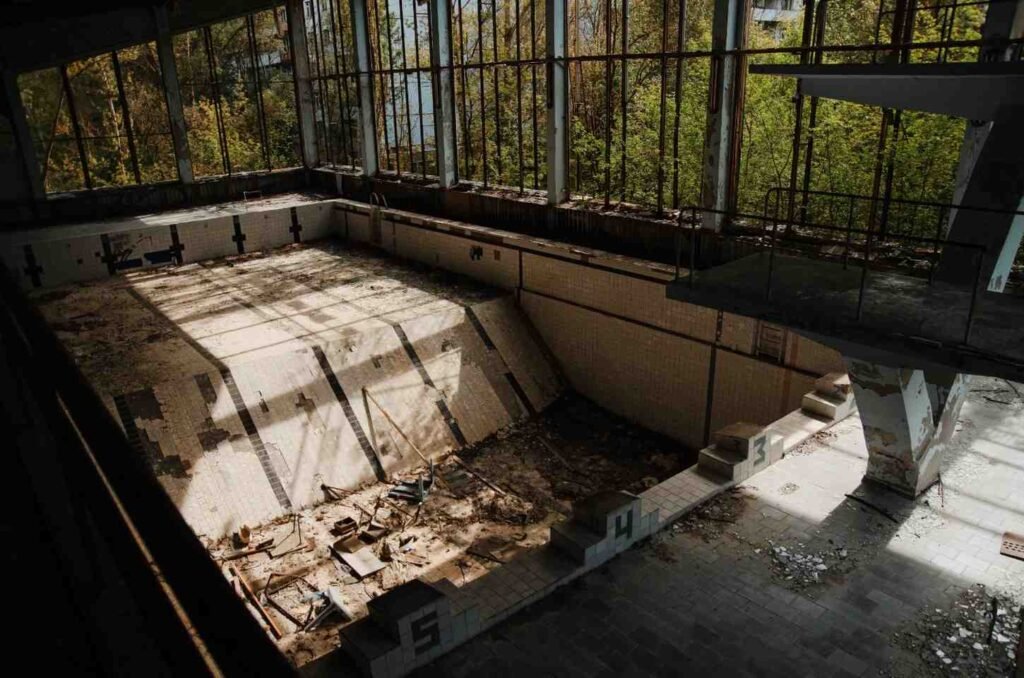
Construction may be delayed by planning disputes, funding problems, labour shortages, material costs, or poor management. Delays can postpone rental income and disrupt refinancing, moving, or resale plans.
Check the developer’s delivery record and review clauses covering extensions, compensation, cancellation, and refunds.
Developer Insolvency
A financially unstable developer may slow or stop construction. Recovering deposits can be difficult when buyer protections are limited.
Verify land ownership, approvals, project registration, deposit safeguards, and escrow arrangements. Research completed projects, disputes, build quality, and customer complaints.
Mortgage and Valuation Risk
A lender may value the completed property below the agreed price, forcing the buyer to provide additional cash.
Mortgage eligibility may also change because of interest rates, lending rules, employment, credit, or personal debt. Stress-test affordability under less favourable conditions.
Build Quality and Specification Changes
The completed property may differ from brochures or show units. Room sizes, appliances, finishes, landscaping, and amenities can change within the contract’s limits.
Investors should also review structural details such as slab foundation vs crawl space cost, since foundation type can influence moisture control, utility access, maintenance expenses, and future repairs.
Request a detailed specification schedule and arrange an independent inspection before handover. Record defects and report them promptly.
Delayed Rental Income
An unfinished property cannot generate rent. Investors may wait months or years while still paying deposits, legal costs, or financing expenses.
Lost rent should be included when comparing off-plan property with a completed rental. A cheaper purchase may produce a weaker return after the waiting period is counted.
Resale and Liquidity Restrictions
Some contracts restrict assignment or resale before completion. Developer approval, minimum payment thresholds, or transfer fees may apply.
Even when resale is allowed, buyers may compete with the developer’s unsold units and incentives.
How to Reduce Off-Plan Investment Risk

Understanding off-plan property investment advantages and risks should lead to practical due diligence.
Research the developer, land, approvals, construction progress, local supply, rental demand, infrastructure, and comparable completed prices. Use an independent property lawyer to review deposit protection, deadlines, design changes, defects, service charges, resale rules, and cancellation rights.
Calculate returns conservatively. Allow for delayed handover, a lower valuation, higher borrowing costs, weaker rent, furnishing expenses, and unexpected fees. Never depend on a quick resale to fund completion.
Who Is Off-Plan Property Suitable For?
Off-plan investment may suit buyers with strong cash reserves, flexible timelines, a long-term outlook, and the ability to tolerate delays or price changes.
It may be unsuitable for anyone needing immediate rent, depending on guaranteed appreciation, holding limited emergency funds, or unable to cover a valuation shortfall.
Frequently Asked Questions
1. Is off-plan property always cheaper?
No. Compare the total cost with completed alternatives, including fees, financing, service charges, and lost rent.
2. Can I sell before completion?
Possibly, but assignment rules, developer approval, payment thresholds, and transfer fees may apply.
3. What happens if the developer fails?
The outcome depends on the contract and local buyer protections. Independent legal advice is essential before paying a deposit.
4. Should beginners consider off-plan property investment advantages and risks?
Beginners can consider them, but they need legal guidance, developer research, conservative projections, and sufficient backup funds.
Final Perspective
I would never buy off-plan solely because a brochure promises a discount or rapid growth. I would compare completed properties, investigate the developer, review the contract independently, and confirm that I could complete the purchase if the market weakened.
The strongest opportunity is one where the price, location, construction team, financing plan, buyer protections, and future demand still make sense under realistic—not perfect—conditions.