
Planning a dream remodel feels fantastic until real construction costs hit your bank account. Staring at contractor quotes while trying to protect your hard-earned savings can make anyone feel overwhelmed. Learning how to budget for home renovation properly keeps your wallet safe while turning your living space into a custom sanctuary.
Why bother learning how to budget for home renovation before swinging a sledgehammer? Spontaneous shopping runs for fancy tile or high-end fixtures will drain your savings faster than a leaking pipe! Planning your dollars early keeps your dream project fun and prevents nasty financial surprises halfway through.
Key Takeaways
- Calculate a firm spending ceiling based on your total property value.
- Reserve at least 15% of your cash specifically for hidden surprise costs.
- Compare line-item bids from three different licensed local contractors.
- Separate non-negotiable structural repairs from cosmetic finish upgrades.
- Track every fixture purchase and material receipt using digital software.
Core Expenses to Include in Your Remodel Plan
Every solid financial plan requires identifying mandatory line-item costs before construction work actually begins.
Materials and Supplies Essentials
Raw materials form the foundation of your initial material costs breakdown. You must factor in major surface materials like hardwood flooring, ceramic tiles, and interior paint along with subtle construction components. Grout, specialized adhesives, fasteners, and rental tools add up quickly during active work phases.
Professional Labor Costs
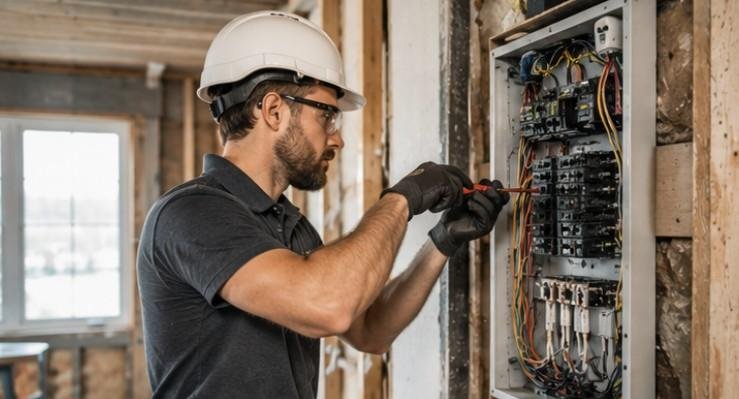
Skilled trade expertise usually claims the largest portion of any home improvement allocation. Hiring certified electricians, master plumbers, and general contractors ensures your home meets local building codes safely. Gathering itemized labor rates protects your overall numbers from unexpected cost overruns during structural builds.
Permits and City Fees

Municipal paperwork often catches homeowners off guard during initial project planning. Local building permits and safety authorization fees are legally required by your city before tearing down walls. Reaching out to your local municipality guarantees these regulatory expenses are accounted for in advance.
Emergency Contingency Fund
Unseen structural or wiring issues routinely hide behind drywalls and aging floors. Setting aside an extra 10% to 15% specifically for a contingency fund cushions your wallet against unforeseen repairs. This dedicated cash reserve ensures your project never stalls when unexpected issues pop up.
Steps to Build Your Budget for Success
Following a structured preparation routine keeps your financial framework organized and completely stress-free from start to finish.

Define Your Project Scope
Deciding between a light cosmetic update and a full room gut job sets your initial path. Outline every specific task to prevent scope creep from quietly inflating your overall spending limits. Clarifying your exact boundaries early guarantees your funds cover mandatory structural needs before luxury finish selections.
Get Multiple Contractor Bids
Gathering detailed quotes from at least three licensed general contractors gives you real market clarity. Avoid vague estimates and request line-item breakdowns that separate material expenses from labor costs. Comparing quotes helps you spot inflated subcontractor markup and negotiate fair, competitive pricing.
Shop Early for Materials
Procuring fixtures, lighting, and tiles well ahead of time saves money and avoids costly shipping delays. Buying early locks in seasonal discounts while eliminating expensive rush-ordering penalties from manufacturers. Having your supplies delivered on time keeps contractor schedules running smoothly without paying idle crew fees.
Prioritize Renovations by Return on Investment
Not every upgrade delivers the same long-term value. Focus your budget on improvements that enhance functionality and boost resale appeal, such as kitchens, bathrooms, or energy-efficient upgrades. Postponing purely decorative additions helps you stay within budget while maximizing the financial benefits of your renovation investment.
Smart Cost-Saving Strategies for Homeowners
Executing strategic material and scheduling choices saves thousands of dollars without compromising on final build quality.
Mix High-End Details with Budget Base Materials
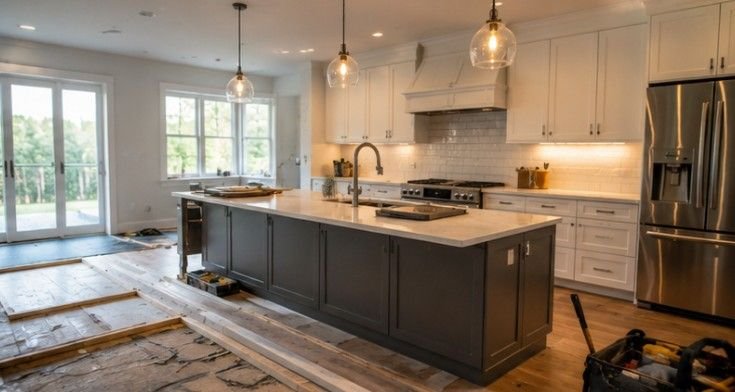
Pairing luxury hero elements with affordable background finishes creates a custom aesthetic very economically. Invest in statement kitchen faucets or quartz counters while selecting basic subway tiles for backsplashes. High-impact focal points draw positive attention while cost-effective background elements keep your overall spending balanced.
Preserve Existing Plumbing Footprints
Relocating sink drains, gas pipes, or toilet stacks instantly inflates labor charges by substantial amounts. Working within your home’s original floor plan layout preserves core plumbing and electrical infrastructure. Refreshing cabinets and fixtures over existing footprints yields fresh aesthetic results at a fraction of the cost.
Perform Simple Teardown Tasks Yourself
Handling basic prep tasks personally saves expensive trade labor hours during early project phases. Remove old trim work, unscrew cabinet doors, or pull up worn carpeting before trade crews arrive. Leave structural framing, main electrical runs, and complex plumbing to professionals (are renovation tasks you should not DIY) to protect your home’s safety.
Frequently Asked Questions
1. How to budget for home renovation easily?
Calculating total costs, establishing a 15% contingency reserve, and ranking projects by necessity forms a solid foundation. Outline your exact scope, gather three contractor bids, and track daily fixture purchases to stay on target.
2. What is the 30% rule for renovations?
The 30% rule suggests capping total home improvement expenditures at 30% of your property’s overall market value. This guideline prevents over-capitalizing on your home, keeping it competitive and financially viable within your immediate neighborhood market.
3. What is a realistic budget for home renovation?
A realistic budget ranges between $20,000 and $75,000 for mid-sized residential projects. Overall costs depend on home size, regional labor rates, structural scope changes, and material choices.
4. Is $100,000 enough to renovate a home?
Yes, $100,000 easily covers a complete mid-range makeover for an average-sized residence. It comfortably funds major kitchen and bathroom overhauls along with updated interior finishes, provided major layout walls remain intact.
5. Is $50,000 enough to renovate a house?
Yes, $50,000 works extremely well for focused multi-room updates or cosmetic whole-house refreshers. It typically covers a complete kitchen remodel alongside one bathroom update if you carefully manage finish selections.
Nail Your Remodel Spending Like a Absolute Pro!
Mastering how to budget for home renovation transforms overwhelming home improvement dreams into organized, stress-free realities. By outlining your scope, securing competitive bids, and keeping a strong contingency fund, you protect your bank account throughout construction. Stick to your prioritized financial plan, track every dollar, and enjoy watching your home evolve without any monetary stress.