
I once assumed that every low-priced property was a bargain. After considering repairs, financing, demand, and resale value, I learned that a cheap listing can become an expensive mistake. Understanding how to find undervalued investment properties means proving that the property’s realistic value exceeds its total acquisition cost.
The best opportunities are not always the cheapest homes. They may have cosmetic problems, weak marketing, motivated sellers, or overlooked potential. A disciplined process separates genuine value from dangerous discounts.
What Makes a Property Undervalued?
An undervalued property is priced below reasonable market value after its condition, location, income potential, legal status, and repairs are considered.
A property may be overlooked because the seller wants a quick transaction, the photographs are poor, the interior is dated, or an area is improving. However, structural failure, title disputes, weak rental demand, or environmental risk can turn a low price into a costly trap.
Calculate the Real Value First
Start with recently sold comparable properties. Choose properties with similar locations, sizes, layouts, features, and conditions. Active listings reveal seller expectations, but completed sales show what buyers have paid.
Calculate the full acquisition cost, including price, inspections, legal fees, financing, repairs, taxes, insurance, holding expenses, and contingency.
Potential deductions and ownership-related tax advantages can also affect the investment’s net return, so review Tax Benefits of Real Estate Investing before finalising your cost and profit calculations.
For a rental, estimate income after vacancy, management, maintenance, taxes, and major repairs. For a flip, use a conservative after-repair value and subtract buying, renovation, holding, and selling expenses. For a BRRRR project, confirm that the likely refinance value can return capital without creating unsustainable debt.
A Simple Deal Example
Suppose renovated comparable properties sell for 250,000. A similar property is listed at 175,000 but needs 35,000 in repairs and 15,000 for financing, legal, holding, and selling costs. The total investment is 225,000, leaving a potential 25,000 margin.
That margin may disappear if repairs rise or resale value falls. A genuine opportunity needs a buffer large enough to survive realistic surprises.
Where to Find Overlooked Deals

Search Stale and Reduced Listings
Properties available for months may have flexible sellers. Review days on market, previous prices, failed sales, and relisting history. Repeated reductions can signal motivation, but ask why earlier transactions ended.
Look Beyond Weak Marketing
Dark photographs, missing room details, spelling mistakes, clutter, and no floor plan can reduce attention. Compare the property’s facts with nearby sales instead of judging it by the advertisement.
Find Motivated and Off-Market Sellers
Owners facing relocation, inheritance, vacancy, financial pressure, or unwanted management may prioritise certainty. Build relationships with local agents, property managers, contractors, legal professionals, and community contacts.
Research Distressed Properties
Auctions, repossessions, tax-related sales, and lender-controlled properties can be discounted, but they may include limited inspections, title issues, unpaid charges, occupancy problems, or strict deposit rules. Investigate the terms and set a maximum bid before participating.
Study Improving Neighbourhoods
Transport upgrades, job growth, commercial investment, and rising rental demand can support future value. Confirm that proposed improvements are funded or underway. A developing area still needs services, safety, tenant demand, and resale liquidity.
Look for Fixable Problems and Hidden Potential
Cosmetic issues often create safer opportunities than structural defects. Old paint, dated fixtures, worn flooring, neglected gardens, and unattractive décor can discourage buyers without making the building unusable.
Buyers considering vacant plots, subdivision potential, or properties with additional acreage can also review Land Investment for Beginners to understand access, zoning, utilities, holding costs, and resale demand before making an offer.
Foundation movement, water damage, roof failure, unsafe wiring, contamination, and unapproved additions can destroy the margin. Obtain independent inspections and specialist estimates.
Investigate legal income potential. Extra bedrooms, separate access, parking, unused land, or flexible zoning may improve returns. Never assume subdivision, conversion, or redevelopment permission will be granted.
Use Metrics Instead of Emotion
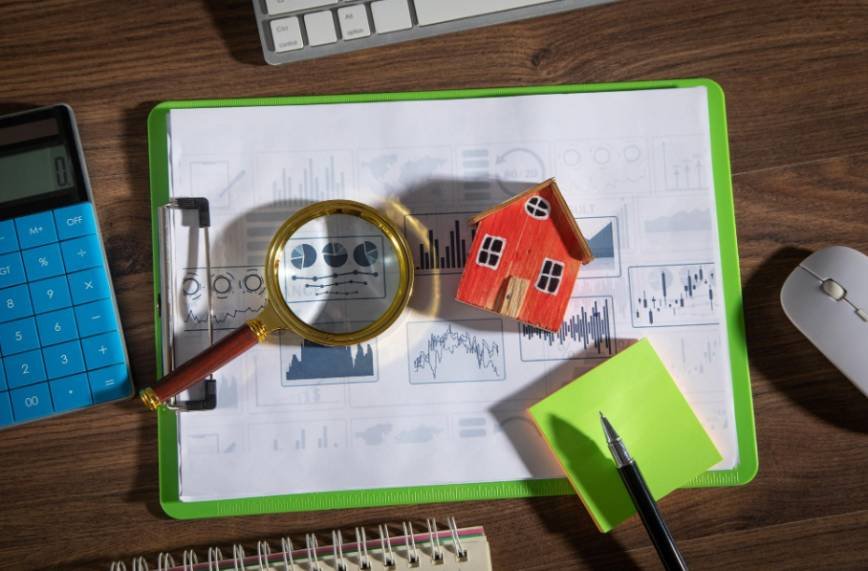
Useful measures include comparable value, gross yield, net operating income, capitalisation rate, cash flow, cash-on-cash return, vacancy, and after-repair value.
The right metric depends on the strategy. A flipper needs enough resale margin, while a long-term owner needs durable rental income. A property can suit one strategy and fail another.
Stress-test every deal by lowering expected rent or resale value, increasing renovation costs, extending the holding period, and applying a higher financing rate. If the investment works only under perfect assumptions, it is not safely undervalued.
Complete Due Diligence
Verify ownership, title restrictions, zoning, permits, taxes, insurance, tenancies, services, and outstanding notices. Review comparable rents, vacancy, local supply, flood exposure, and planned developments.
Inspectors, valuers, legal advisers, and property managers can uncover risks that online research misses. Their fees may prevent a much larger loss.
Frequently Asked Questions
1. How do beginners identify an undervalued property?
Compare recent sales, calculate every expense, estimate conservative income or resale value, and require a safety margin before offering.
2. Where can I learn how to find undervalued investment properties off market?
Build professional relationships, contact owners respectfully, monitor public records, and look for vacant, inherited, neglected, or poorly managed assets.
3. Are auction properties always below market value?
No. Competitive bidding, repair costs, legal problems, and restricted inspections can make an auction purchase more expensive than a normal listing.
4. What Is the Biggest Warning Sign?
Unclear ownership, major structural damage, weak demand, unapproved work, or costs that cannot be estimated reliably are serious warnings.
Final Takeaways
I now judge every potential bargain by evidence rather than excitement. The strongest deal is not the property with the largest advertised discount. It is the one with a verified value gap, manageable problems, realistic demand, clean due diligence, and enough margin to survive unexpected setbacks.
By searching broadly, calculating conservatively, inspecting carefully, and walking away when the numbers fail, I can pursue overlooked opportunities without confusing cheap property with genuine value.