
Navigating a major home remodel while sleeping under the same roof often feels like indoor camping surrounded by drywall dust and loud power tools. Learning how to live in house during renovation projects takes more than tolerance; it requires a realistic blueprint to protect your daily routines, health, and peace of mind while work is underway.
Remodeling brings noise, foot traffic, and unexpected daily surprises that disrupt even the most organized households. Staying on-site saves thousands of dollars in temporary rental fees and lets you monitor progress up close. With proactive planning, clear boundaries, and smart temporary setups, staying put during construction can be surprisingly manageable.
Key Takeaways
- Create a dedicated dust-free safe zone with sealed doorways and independent air filtration.
- Set up a temporary kitchen with plug-in appliances before demolition starts.
- Establish clear contractor ground rules regarding working hours, parking, and daily cleanups.
- Balance budget savings with mental well-being when deciding to stay on-site.
- Plan routines around scheduled utility shutoffs to avoid daily household disruptions.
Creating Safe and Clean Zones
Preparing your living spaces before the crew arrives prevents damage to personal property and establishes clear physical boundaries.
Seal the Work Area
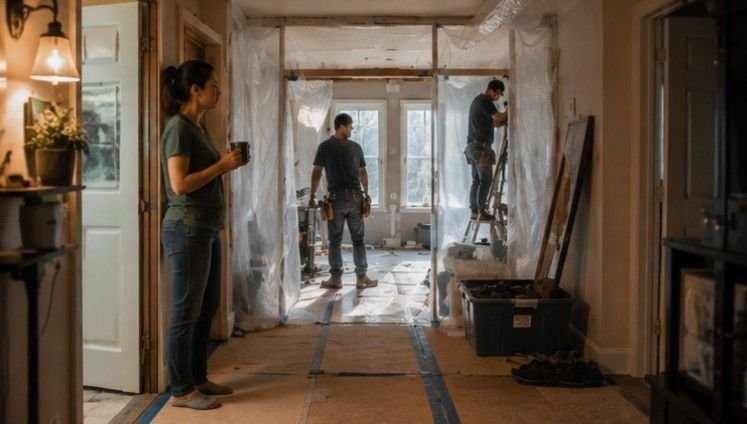
Fine drywall and saw dust penetrate every unsealed corner of a home if left unmanaged. Professional contractors use plastic zip-wall barriers and heavy-duty tape to block construction zones from your living space. Homeowners should also seal return air vents in active work zones to prevent dust from recirculating through the central HVAC system.
Run Air Purifiers
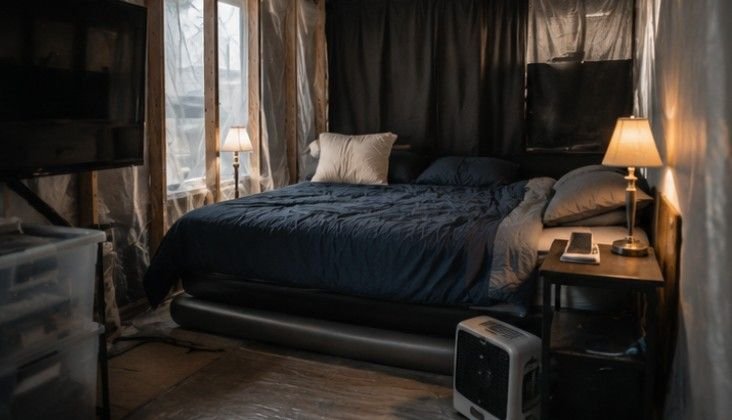
Having clean indoor air provides essential health protection and comfort after a long, dusty workday. Keep HEPA air filters running constantly in occupied rooms to trap fine drywall and wood dust before it settles. Stock this clean space with extra filters, comfortable seating, and noise-canceling headphones for total relaxation.
Protect Floors
Heavy foot traffic and flying debris quickly ruin hardwood, carpet, and tile pathways. Cover non-renovated pathways with protective surface boards like Ram Board to control dirt tracking throughout the property. Secure the edges with painter tape so nobody trips when walking past active construction areas.
Managing Daily Essentials
Maintaining basic daily functions like eating and bathing requires clever temporary workarounds when primary spaces are gutted as per the decided order to remodel the house.
Set Up a Makeshift Kitchen

Losing access to a primary kitchen presents one of the biggest daily challenges during a remodel. Move a fridge, microwave, and hot plate or air fryer into a separate room away from the dust. Setting up a functional kitchenette in a dining room, garage, or hallway keeps meal preparation simple and affordable.
Use Disposable Items
Washing cooking utensils without a deep kitchen sink creates unnecessary daily frustration and messy plumbing backups. Switch to paper plates and plastic cutlery to make clean-up manageable when you lack a functional sink. Collect trash daily in heavy bags to keep your temporary eating zone fresh and pest-free.
Plan Bathroom Priorities
Sharing one functional bathroom during a major overhaul demands strict scheduling and organization across the household. Ensure at least one working bathroom is untouched, or schedule your project so it remains operational throughout demolition. Create morning shower schedules so family members do not compete for access before work or school.
Contractor Communication and Safety Protocols
Clear ground rules prevent misunderstandings and maintain household safety throughout the construction timeline.
Setting Clear Operational Ground Rules
Setting expectations on day one ensures respect for your living space and personal time. Establish designated parking areas, specified crew restrooms, and allowed entry doors before work begins. Agree on daily work hours, typically 8:00 AM to 5:00 PM, and require a daily job site sweep before the crew leaves.
Protecting Kids and Pets from Hazards
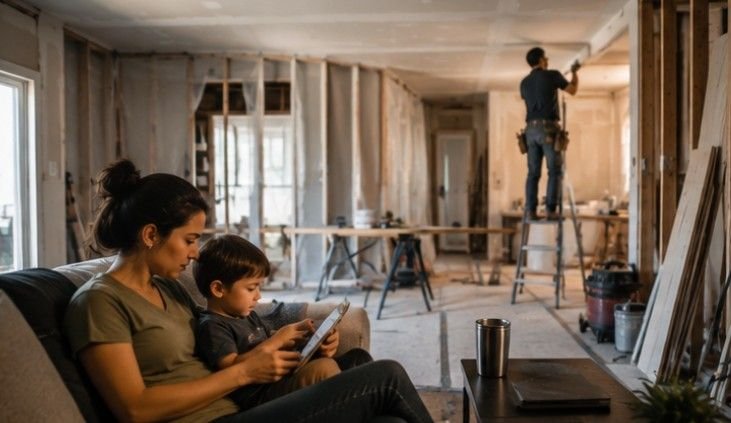
Active job sites present real physical dangers to curious children and domestic pets. Install sturdy baby gates or temporary lockable doors to physically block access to open walls, exposed wiring, and subfloors. Keep pets secure in designated rooms or consider daytime boarding during heavy demolition phases.
Timeline-Based Adaptation Tips
Organizing your daily schedule around key construction phases keeps stress manageable and expectations realistic.
Pre-Demolition Week Preparation
Preparation work completed prior to demolition sets the tone for a smoother project. Pack away all breakable items, artwork, and non-essential belongings into sealed storage bins. Label every container clearly and confirm water, gas, and electrical shutoff schedules with your project manager.
Active Construction Phase Management
Adapting to changing daily conditions helps maintain household balance while heavy work occurs. Prepare simple meals using your temporary kitchen setup or budget for takeout options during intense work weeks. Plan outdoor activities or work-from-home shifts away from the house during heavy pounding or tile-cutting hours.
Budgeting: Staying On-Site vs. Moving Out
Evaluating financial tradeoffs helps determine whether staying on-site makes sense for your project scale.
Cost Breakdown Analysis
Living at home during construction saves direct rental expenses but introduces hidden secondary costs. Staying on-site eliminates short-term rental costs that often range from $2,500 to $6,000 per month depending on location. However, factors like frequent takeout meals and extra storage bin rentals offset some of those savings.
Decision-Making Framework
Certain project conditions make staying on-site impractical or unsafe. Consider short-term relocation if your project requires complete roof removal, total plumbing line shutoffs lasting weeks, or major asbestos abatement. Households with infants or individuals with severe respiratory conditions should also prioritize temporary housing.
Frequently Asked Questions
1. Can I live in my house while it’s being renovated?
Yes, learning how to live in house during renovation makes staying on-site completely possible. You can live in your house during cosmetic updates or single-room remodels as long as you maintain one functional bathroom, a temporary kitchen setup, and a sealed, dust-free bedroom zone.
2. What is the 30% rule for renovations?
The 30% rule suggests allocating 15% to 30% of your total renovation budget for unexpected costs, delays, or structural surprises that arise once walls and subfloors are opened during construction. This buffer keeps your project moving smoothly without financial strain.
3. What are the most common renovation regrets?
Common renovation regrets include failing to establish a realistic contingency budget, rushing design decisions, hiring contractors based solely on the lowest quote, and underestimating the daily disruption of living on-site throughout the active construction timeline.
4. Where do I live while my house is being renovated?
If living on-site isn’t feasible due to utility shutoffs or hazardous dust, homeowners typically stay in short-term furnished rentals, Extended Stay hotels, or with family members. RV rentals parked on the driveway are another popular option.
Surviving Construction with Your Sanity Intact!
Mastering how to live in house during renovation projects comes down to careful preparation, clear communication, and ongoing personal flexibility. By setting up a functional temporary kitchen, enforcing contractor ground rules, protecting a dust-free sanctuary, and managing air filtration, you can navigate construction delays smoothly. Focus on the final transformation, protect your daily peace of mind, and enjoy watching your newly remodeled home come to life!