Staring at a sledgehammer after watching weekend home improvement shows makes tackling big renovation tasks you should not DIY look deceptively simple. Our remodeling crew has spent years correcting well-meaning homeowner blunders, and we know how quickly a simple project spiraling out of control can ruin your home value.
While swapping cabinet knobs or painting a bedroom builds confidence, crossing into heavy structural, high voltage, or chemical upgrades creates massive safety liabilities. Knowing your actual skill boundaries keeps your family safe and saves tens of thousands of dollars in emergency contractor repair bills.
Electrical and Gas Work
High voltage power and flammable fuel lines require specialized tools, precise calculations, and master licensing to prevent tragic accidents.
Main Panel Upgrades
Handling main breaker feeds presents extreme arc flash risks and lethal electrical shock.
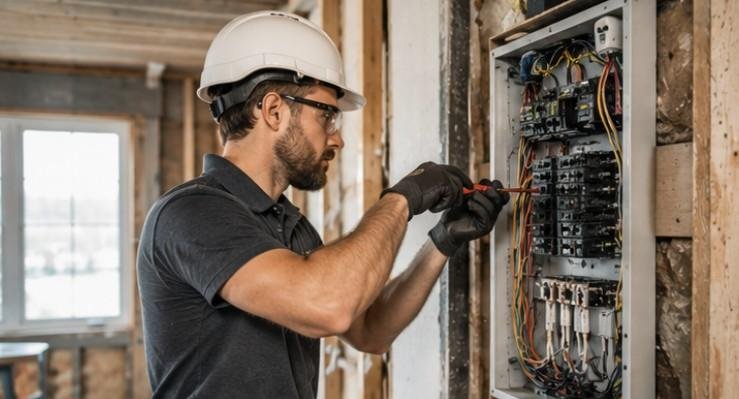
Upgrading your electrical panel to handle modern power demands requires working directly with unmetered utility feeds. High voltage risks severe shocks or death, making this a task strictly for master electricians who follow strict municipal safety codes. A single slipped screwdriver can trigger a massive electrical arc that ruins your service line and causes fatal injuries.
Licensed contractors coordinate directly with local power companies to shut off main service before installing fresh breaker boxes. They balance household electrical loads to ensure your modern appliances run efficiently without overloading circuits or tripping breakers constantly.
New Wiring and Circuits
Adding fresh electrical branches without proper load math creates hidden fire traps inside your walls.
Running fresh wiring through studs seems straightforward until incorrect wire loads cause electrical fires inside hidden wall cavities. Overloading a circuit breaker or choosing thin wire gauges causes conductors to overheat silently behind dry wall. The The Spruce home improvement guide notes that faulty wiring remains a top cause of preventable house fires across the country.
Certified electricians calculate total circuit capacity and install correct arc fault breakers to protect your household. They ensure every junction box is fully grounded and sealed against short circuits, giving you total peace of mind for decades.
Gas Line Changes
Altering fuel pipes requires precision threading and specialized pressure testing to prevent catastrophic gas buildup.
Extending a gas pipe for a gourmet kitchen stove or patio grill requires specialized threading compounds and calibrated pressure gauges. Tiny leaks from bad seals trigger explosions when trapped gas accumulates inside unventilated home spaces. Home inspectors at Nashville TN Home Inspections emphasize that gas line errors are among the most dangerous defects found during home sales.
Professional plumbers perform rigorous pressure drop tests to confirm every joint is completely airtight before restoring fuel flow. Relying on certified gas technicians protects your neighborhood and ensures your installation passes municipal safety inspections cleanly.
Plumbing and Water Systems
Water flows under constant pressure, meaning small piping blunders quickly turn into massive structural rot and biohazards. At times, these renovations might also require permits.
Behind The Wall Pipes
Concealed water leaks slowly destroy wood framing and create expensive environmental health problems.
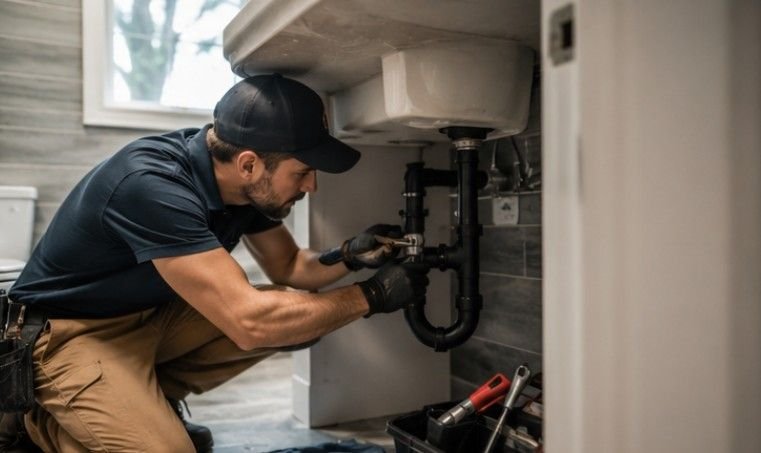
Installing supply lines inside wall cavities requires flawless soldering and press-fitting skills to handle continuous municipal water pressure. Hidden leaks rot floor joists and grow toxic mold behind your drywall long before visible stains appear on your ceiling. Real estate experts at M/I Homes warn that structural moisture damage dramatically reduces home appraisal values during resale.
Master plumbers use specialized pressure testing equipment to verify that new supply lines hold strong under peak household demand. Investing in professional pipe installation prevents sudden line bursts that ruin finished basements and destroy personal belongings.
Main Sewer Lines
Discharge piping relies on exact gravity pitching to carry waste away without backing up into your living areas.
Connecting new bathroom fixtures to your main drain stack requires precise pitch calculations and specialized heavy duty pipe fittings. Improper slopes back up waste into the home, flooding your floors with hazardous sewage that requires expensive professional cleanup. A pitch that is too steep leaves solids behind, while a pitch that is too flat stops wastewater from moving altogether.
Licensed drainage experts use specialized video scope cameras to inspect the internal condition and alignment of your waste pipes. They guarantee that every drain line meets exact slope standards, keeping your plumbing system flowing smoothly without foul odors or backup risks.
Structural and Exterior Elements
Modifying load bearing framing, high roofs, or hazardous materials carries high injury risks and structural failure hazards.

Removing Load Bearing Walls
Tearing out structural interior walls without temporary support beams compromises the integrity of your whole roof.
Open floor plans are visually appealing, but cutting wrong supports makes ceilings cave in and distorts your entire home frame. Structural guidance from Southern Living shows that removing support studs without proper temporary headers causes severe ceiling sagging and cracked finishes. Professional builders calculate live weight loads and install custom steel or engineered LVL beams according to strict local building codes.
Contractors secure temporary support walls before removing any original studs, ensuring the structural weight transfers safely. Their precision work prevents foundation shifting, wall cracking, and structural collapse, keeping your family completely safe during major layouts.
Roof Replacement
Working on steep roof pitches exposes you to fall risks while requiring precise flashing techniques to stop leaks.
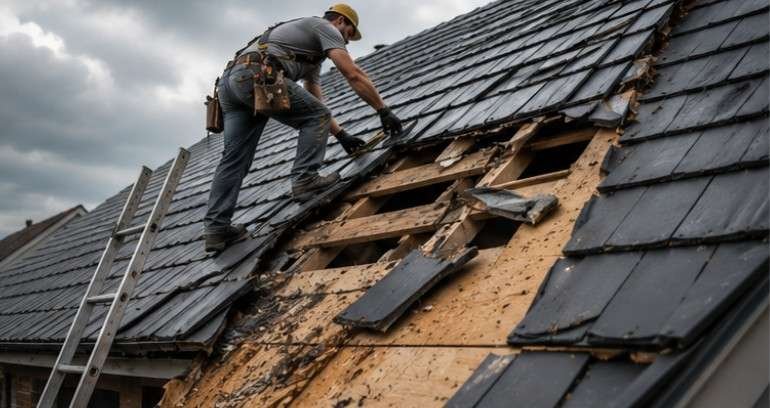
Replacing worn roofing shingles requires physical endurance, specialized harnesses, and exact underlayment layering to shed driving rain. High falls lead to grave injuries, making steep elevation repairs one of the most hazardous home maintenance jobs. Professional roofers bring safety equipment, steep pitch gear, and weatherproofing skill to every job site.
Experienced crews strip old materials down to the plywood deck, replacing rotted wood and installing ice shields along roof valleys. Their detailed work prevents subtle water intrusion that rots rafters and damages insulation, protecting your interior ceilings for decades.
Asbestos Removal
Disturbing old insulation or floor tiles releases microscopic mineral fibers that pose severe respiratory health risks.
Homes built before the 1980s often contain hazardous asbestos inside duct insulation, pop-corn ceiling textures, or vinyl floor tiles. Breathing fibers causes permanent lung damage and chronic respiratory illnesses that develop quietly over several decades. Attempting to scrape or tear out these materials without containment scatters dangerous dust throughout your home HVAC system.
Certified environmental abatement technicians seal off work areas with negative air pressure machines and wear specialized respirator protection. They dispose of dangerous waste according to strict federal regulations, ensuring your living space remains clean, healthy, and hazard free.
Mastering Your Project Scope: Renovation Tasks You Should Not DIY
Following a clear evaluation process keeps your home improvement project safe, legal, and within budget.
Start by evaluating your planned renovation against strict trade safety boundaries before buying tools or demolition equipment. Identify whether your project touches main electrical panels, fuel gas connections, load bearing walls, or hidden supply plumbing. If any of these high risk systems are involved, stop immediately and request detailed proposals from three licensed trade contractors.
Next, contact your local municipal building department to check permit requirements and home inspection steps for your area. Confirm that your hired tradespeople carry active general liability and worker compensation insurance policies. Securing qualified professionals early prevents expensive project stalls, protects your home equity, and ensures complete building code compliance.
Frequently Asked Questions
1. What home improvement projects should I avoid doing myself?
You should avoid structural wall removals, main electrical panel upgrades, gas line modifications, roof replacements, and main sewer line work. These complex tasks carry extreme life safety hazards, severe property damage risks, and costly building code violations.
2. What is the 30% rule for renovations?
The 30% rule suggests limiting your total renovation expenditure to 30% of your property’s current total market value. Furthermore, smart homeowners set aside an extra 20% to 30% contingency fund to cover unexpected structural or mechanical repairs.
3. What are common renovation mistakes to avoid?
Common mistakes include skipping required building permits, hiring uninsured workers, ignoring contingency budgets, and attempting dangerous trade tasks without licensing. These blunders lead to denied insurance claims, structural defects, and severe financial losses during resale.
4. What should you not DIY?
You should not DIY high voltage wiring, gas line extensions, load bearing wall removals, asbestos abatement, or slab plumbing repairs. Hiring licensed, bonded, and insured professionals protects your physical safety and preserves your long term home equity.
Put Down the Sledgehammer
Protecting your home investment requires knowing when to put down the tools and call certified professionals for renovation tasks you should not DIY. Partnering with licensed trades safeguards your family’s safety, ensures strict building code compliance, and preserves your equity. Smart homeowners know that paying for professional craftsmanship today prevents catastrophic emergency repairs and maintains full property value for the future.
Leave a Reply