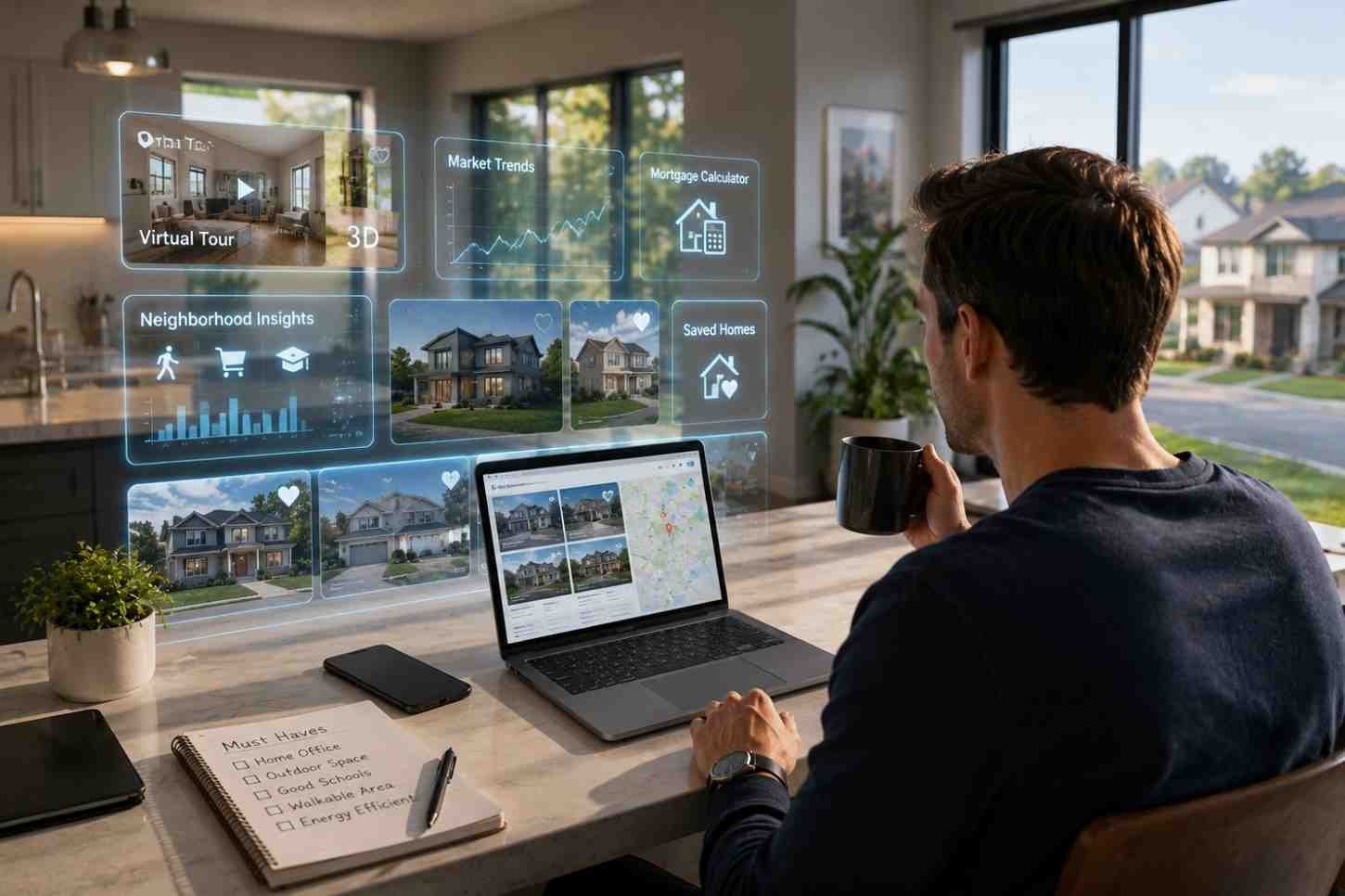
A few years ago, I noticed that people would walk into an open house and make decisions based on a feeling. If they liked the kitchen or imagined family gatherings in the backyard, the rest often fell into place. Lately, those conversations have changed. Friends, neighbors, and even first-time buyers spend weeks researching before they ever step inside a property. They’re asking smarter questions and paying attention to details that barely crossed their minds before.
I also see people talking less about owning the biggest house and more about owning the right one. The excitement is still there, but it’s balanced with careful planning. Buyers want homes that fit the way they live today while still making sense years from now. That shift is quietly changing the real estate market, and it’s one of the biggest reasons modern home buying habits look so different in 2026.
Why Home Buying Looks Different Today
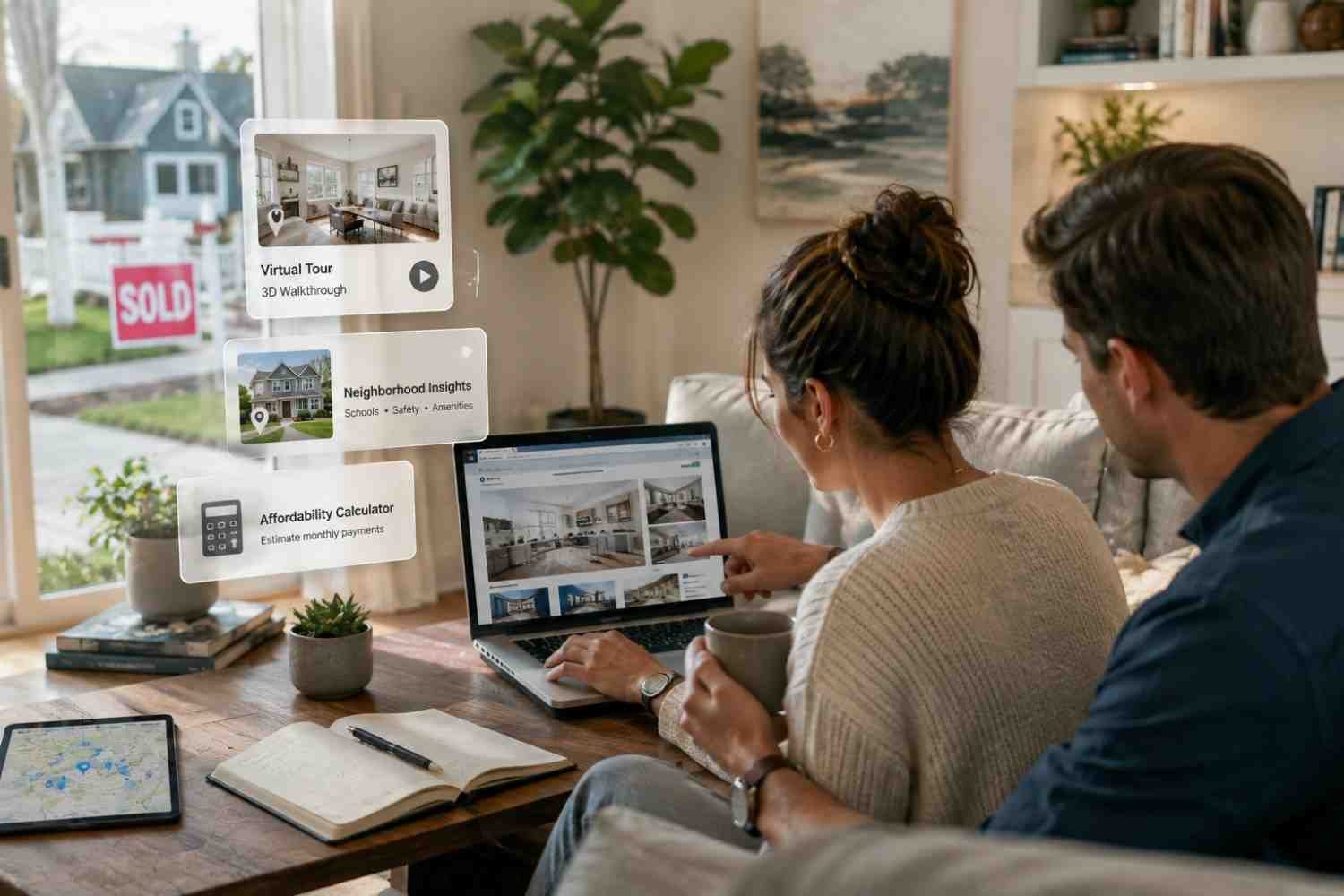
Buying a home has always been a major financial decision, but today’s buyers have access to more information than ever before. Property listings, neighborhood data, virtual tours, mortgage calculators, and market reports are available within minutes. Instead of relying on a single visit, buyers often build a complete picture of a home before scheduling a showing.
Economic conditions have also encouraged a more thoughtful approach. Higher borrowing costs and changing household budgets mean people are taking extra time to compare options, evaluate affordability, and think about long-term value rather than rushing into a purchase.
Research Starts Long Before the First Showing
The home search now begins online, and it often stays there for quite some time. Buyers compare listings, explore neighborhood maps, read local reviews, and take virtual tours before deciding which homes deserve an in-person visit.
Digital tools have made it easier to narrow down choices, but they’ve also raised expectations. Buyers arrive at showings already knowing the property’s history, nearby schools, commute times, and even estimated monthly costs. Real estate decisions are becoming more informed because the research process has become much deeper.
Buyers Want Homes That Adapt to Everyday Life
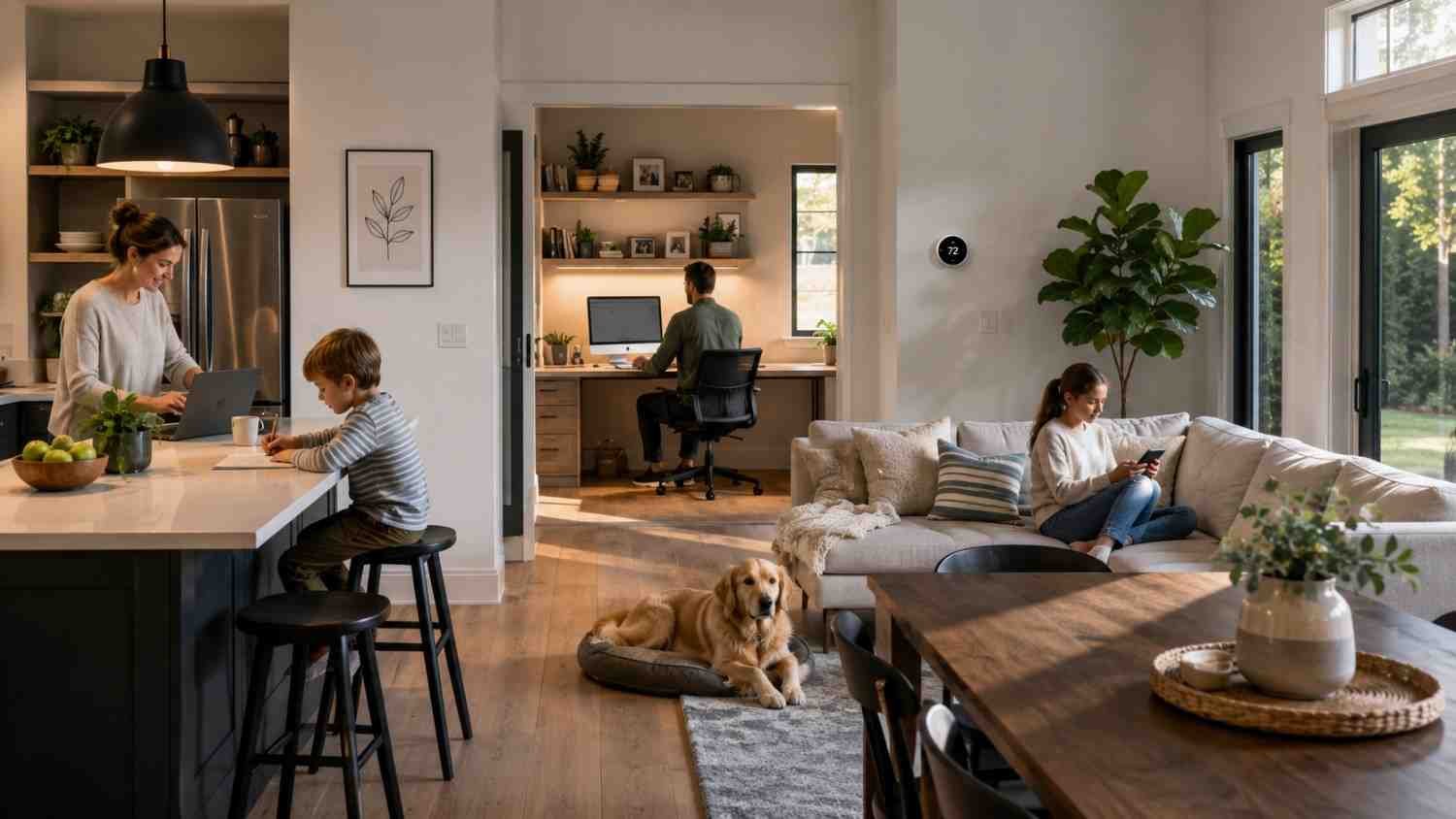
Square footage still matters, but it isn’t the deciding factor it once was. Functional layouts have become one of the strongest home buyer preferences because people expect their homes to support different parts of daily life.
A spare bedroom can become a home office. A finished basement might serve as a workout space or media room. Open living areas that allow families to work, relax, and entertain comfortably often appeal more than simply having additional rooms.
This shift reflects how hybrid work continues to influence housing decisions. Buyers are looking beyond today’s needs and asking whether a home will remain practical if their routines change.
Financial Confidence Matters More Than Speed
One of the biggest modern home buying habits is taking a more cautious approach to finances.
Instead of stretching budgets to purchase the largest possible property, many buyers are focusing on comfortable monthly payments, emergency savings, and future flexibility. Mortgage rates remain an important factor, but buyers are also paying close attention to property taxes, insurance, maintenance costs, and potential resale value.
That mindset often changes how negotiations unfold. Understanding the difference between a buyer market vs seller market helps buyers adjust their expectations and recognize when they have more room to negotiate or when stronger competition requires quicker decisions.
Smart Features Are Becoming Everyday Expectations
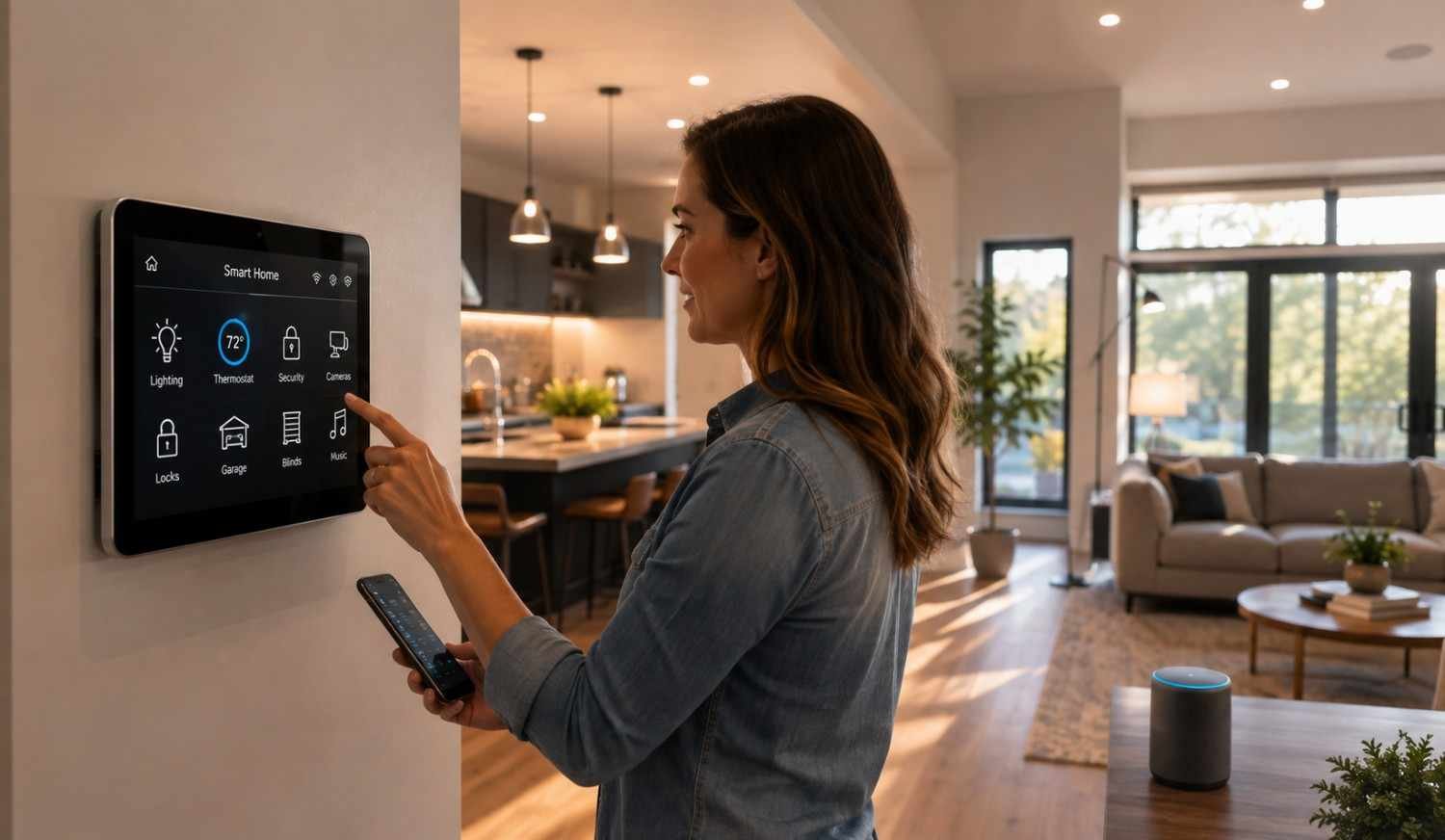
Technology has become part of the buying conversation in ways that didn’t exist a decade ago.
Energy-efficient appliances, smart thermostats, video doorbells, and solar panels are increasingly viewed as practical investments rather than luxury upgrades. Buyers appreciate homes that can reduce utility costs while offering greater convenience and security.
These improvements also support long-term affordability, making them attractive to homeowners who plan to stay in one place for many years.
Neighborhood Lifestyle Shapes the Final Decision
A home’s location has always been important, but buyers are evaluating neighborhoods differently today.
Walkable streets, nearby parks, coffee shops, grocery stores, and recreational spaces often influence purchasing decisions as much as the house itself. Many buyers want communities where everyday errands require less driving and where local amenities encourage a healthier lifestyle.
Even curb appeal has taken on greater importance. A welcoming entrance, well-maintained landscaping, and neutral interior finishes create positive first impressions that can shape how buyers feel before they explore the rest of the property.
Social Media Is Quietly Influencing Buyer Expectations

Design inspiration no longer comes only from magazines or television shows. Social media platforms have introduced buyers to ideas that quickly become part of their wish lists.
Reading corners, organized pantries, mudrooms, and functional storage solutions regularly appear in home searches because people see how those spaces improve everyday living. These trends may begin online, but they often influence real purchasing decisions.
Fortunately, buyers are becoming better at separating lasting value from temporary design trends. Practical improvements usually carry more weight than decorative features alone.
Today’s Habits Will Continue Shaping Tomorrow’s Market
The way people buy homes continues to evolve alongside technology, work, and changing lifestyles.
Rather than making emotional decisions based on appearances alone, buyers are considering flexibility, efficiency, affordability, and future needs. Homes that support everyday life without creating unnecessary financial pressure are becoming the strongest choices across many housing markets.
FAQs: Modern Home Buying Habits That Are Reshaping Real Estate Decisions
1. What are the biggest modern home buying habits today?
Today’s buyers research extensively, compare financing options, prioritize flexible layouts, and look for homes that fit both current and future lifestyles.
2. Why are flexible home layouts becoming more popular?
Hybrid work, growing families, and changing routines make multipurpose spaces more useful than simply having additional square footage.
3. Do smart home features influence buying decisions?
Yes. Features like smart thermostats, energy-efficient appliances, and security systems improve convenience while helping reduce long-term operating costs.
4. Why do buyers spend so much time researching before visiting homes?
Online listings, virtual tours, neighborhood information, and market data allow buyers to narrow their options, making in-person visits more focused and informed.
The Way People Buy Homes Will Keep Evolving
Modern home buying habits aren’t changing because buyers have become more cautious. They’re changing because people understand that purchasing a home affects their finances, daily routines, and long-term goals. The homes attracting the most attention today are those that offer flexibility, practical design, and lasting value instead of simply checking the biggest or newest boxes.
The smartest buying decisions often begin long before the first property tour.
Leave a Reply