
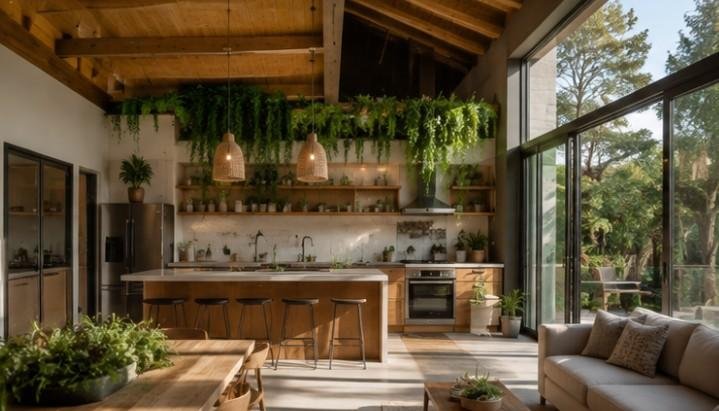
Planning a home upgrade can feel overwhelmingly complicated once you start looking at materials. Choosing the best eco friendly home renovation materials helps you build a space that feels fresh, keeps your family healthy, and cuts down on long-term utility costs.
Upgrading your living space sustainably means combining low environmental impact, durability, and non-toxic safety. These choices protect planet earth while making sure your house stands strong for generations.
Key Takeaways
- Healthier Living: Low-VOC products keep toxic chemical fumes out of your indoor air.
- Lower Bills: Natural insulation reduces your monthly energy costs significantly over time.
- Built to Last: Sustainable picks like bamboo outlast many cheap traditional building options.
- Budget Friendly: Recycled glass and cork offer high-end style at approachable prices.
- Resale Value: Modern home buyers gladly pay extra for green energy efficient upgrades.
Upgrading Green is a Total Game Changer
Making sustainable upgrades to your living space is the ultimate home improvement win.
Why swap standard builder supplies for sustainable alternatives? Think of it as giving your home a massive power-up! You eliminate nasty toxic chemicals, slash monthly energy costs, and give old landfills the cold shoulder. The best eco friendly home renovation materials let you flex your personal interior style while creating a healthier, happier sanctuary. It is pure living room magic.
High Performance Sustainable Flooring and Surfaces
Choosing the right base for your living areas sets the foundation for your entire house layout and increasing the home value. Natural floor coverings give your spaces a warm aesthetic while standing up to heavy daily foot traffic. Modern processing techniques ensure these products handle spills, pets, and active family life with ease.
Rapidly Renewable Bamboo Flooring
Fast-growing bamboo provides a durable alternative to slow-growing traditional hardwoods. Bamboo grows back in just 3 to 5 years, making it a fast-renewing choice that is strong and hard like traditional wood. It resists surface scratches from pets and copes remarkably well with shifting indoor humidity levels.
Cushioned and Quiet Cork Flooring
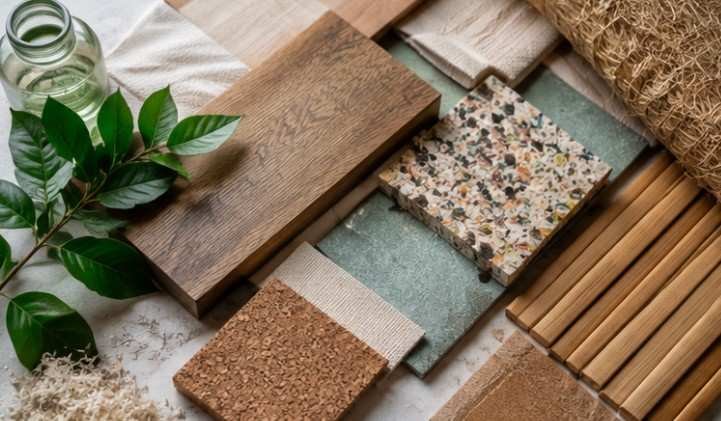
Soft underfoot, cork gives living rooms exceptional sound absorption and natural warmth. Cork flooring is harvested from tree bark without cutting down the tree itself. It is soft under your feet, reduces room noise significantly, and naturally resists mold and common household pests.
Timeless Reclaimed Wood Accent Panels
Repurposed timber brings unmatched historic character and rich texture into modern living spaces. Reclaimed wood is salvaged from old barns and historic buildings to save living trees. It adds unique rustic style when installed as floor planks, ceiling accents, or decorative wall beams.
Durable Recycled Glass Countertops
Modern resin binders mix post-consumer glass into incredibly tough kitchen work surfaces. Recycled glass countertops are made from crushed glass fragments mixed directly into a strong base. This creates a striking, highly durable kitchen surface that easily resists stains and cooking heat.
Clean Finishes and Energy Saving Insulation
Wall finishes and thermal barriers control your indoor environment and dictate air cleanliness. Selecting non-toxic sealants and natural insulation keeps your indoor spaces running efficiently year-round. These products stop drafty air leaks while preventing chemical vapors from circulating through your HVAC ducts.
Fresh Air Zero-VOC Paints
Modern non-toxic paints deliver rich wall coverage without releasing harsh off-gassing vapors. Zero-VOC paints are completely free of harmful chemical fumes known as volatile organic compounds. Using these formulas keeps your indoor air clean, safe, and smell-free during your remodel.
Moisture Regulating Sheep’s Wool Insulation
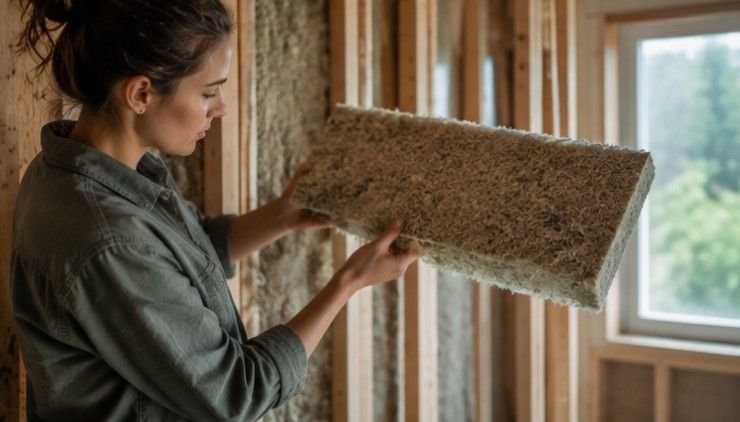
Natural wool fibers trap thermal energy naturally while managing excess airborne moisture. Sheep’s wool insulation is a natural, chemical-free material that traps indoor heat exceptionally well. It regulates humidity levels naturally inside wall cavities to prevent structural mold growth over time.
Sound Absorbing Recycled Denim Insulation
Repurposed cotton blue jeans create a dense thermal blanket that stops sound transmission cold. Recycled denim insulation is made from post-consumer cotton blue jeans, providing a safe alternative to fiberglass. It offers impressive acoustic dampening performance without itching your skin during installation.
How to Install the Best Eco Friendly Home Renovation Materials
Executing your green remodeling project smoothly requires a logical, organized step-by-step approach.
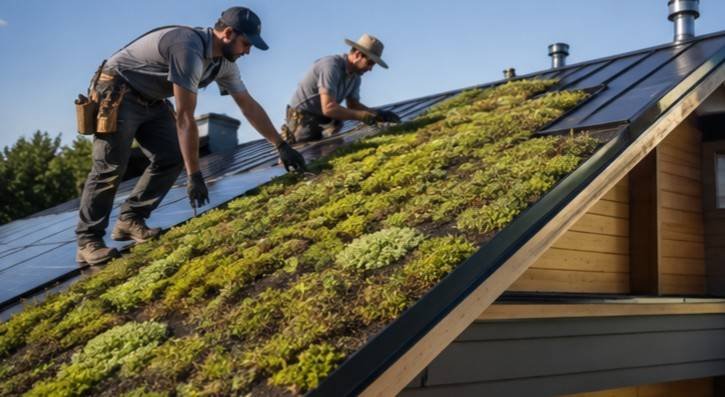
Start by assessing your current living spaces to spot drafty walls, worn floors, or off-gassing paints that need immediate replacement. Measure your square footage carefully to avoid ordering excess supplies that end up as construction waste.
Research local building salvage yards or certified green suppliers to source your materials. Always check for independent eco-labels like FSC or GREENGUARD Gold to verify sustainability claims before buying.
Prepare your subfloors and wall surfaces properly to guarantee a seamless installation. Hire licensed installation contractors who have direct experience handling specialty bio-composites, non-toxic adhesives, and natural insulation products.
Inspect finished surfaces thoroughly after installation to verify tight seals and smooth alignment. Enjoy your updated, healthy living space knowing your choices protect both your family and the surrounding environment.
Frequently Asked Questions
1. What is the most environmentally friendly house material?
Reclaimed wood and rammed earth stand out as top choices. Reclaimed wood requires zero new tree harvesting, while rammed earth relies on natural raw soil to build incredibly strong, low-carbon walls.
2. What are some eco-friendly materials I can use for renovation?
You can renovate using bamboo flooring, natural cork tiles, recycled glass countertops, sheep’s wool insulation, and zero-VOC paints. Reclaimed timber and recycled steel also provide fantastic structural choices.
3. What is the most eco-friendly alternative to plastic?
Bio-based composite decking made from rice hulls, hemp fibers, or cork offers incredible durability. These products replace synthetic plastics without shedding harmful microplastics into your surrounding yard soil.
4. What are some non-toxic building materials for houses?
Untreated solid timber, clay plaster, sheep’s wool, zero-VOC paint, and natural cork contain no harsh synthetic chemicals. They keep indoor air clean by eliminating formaldehyde and dangerous solvents.
Welcome to Your Dream Green Home!
Choosing the best eco friendly home renovation materials transforms your living space into a healthy, comfortable, and energy-efficient sanctuary. Sustainable materials save substantial money on monthly power bills while elevating overall home value. Pick your favorite green material today and start building the healthy, eco-conscious home you deserve!