A rural property can look perfect on the surface—wide-open acreage, peaceful surroundings, and enough room to build the home I have always imagined. But beneath that promising landscape, the soil may determine whether my plans are affordable, complicated, or even possible.
That is why I consider the perc test cost for rural land a crucial part of the buying process, not just another inspection expense.
A professional test can reveal whether the property supports a conventional septic system or requires costly engineering, additional excavation, or an alternative design. Understanding these costs before closing helps me avoid turning an attractive land purchase into an expensive development problem.
How Much Does a Perc Test Cost on Rural Property?
The final price depends on how the evaluation is performed and what the local health department requires. Some counties use a traditional water-based percolation test. Others require a broader soil and site evaluation covering soil layers, groundwater, slope, bedrock, setbacks, and proposed home size.
| Service phase | Low-end estimate | High-end estimate |
| County application or permit | $100 | $400 |
| Fieldwork and digging | $300 | $1,500 |
| Soil engineer or classifier evaluation | $750 | $2,000 |
| Alternative septic design after failure | $1,000 | $3,000 |
These are planning ranges, not fixed national prices. Local government fees vary significantly. Carroll County, Iowa, for example, lists separate $300 charges for a septic permit and a percolation test. Other jurisdictions calculate fees according to system size, design capacity, or the type of site evaluation required.
Which Type of Perc Test Will My Land Need?

How Much Does a Hand-Dug Perc Test Cost?
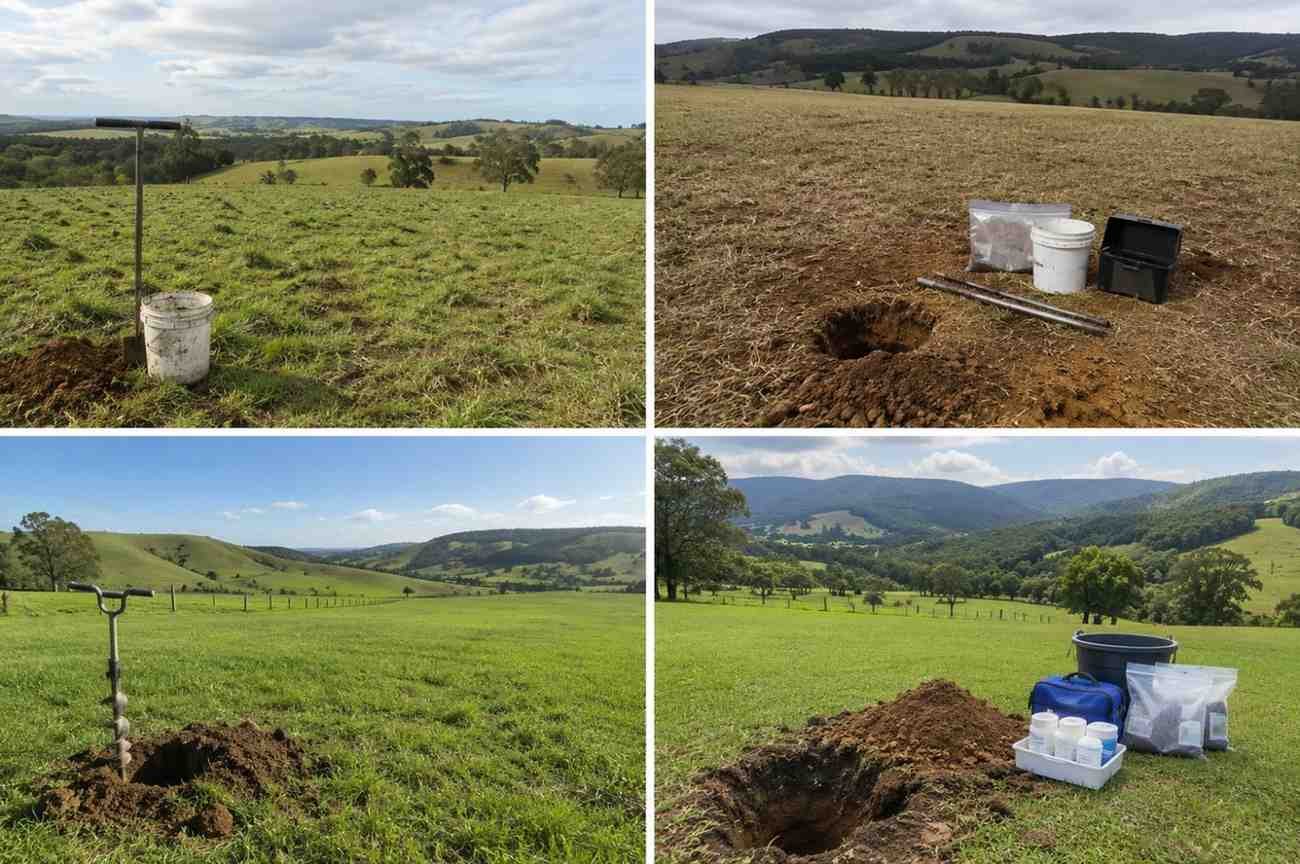
A basic hand-dug perc test may cost roughly $200 to $1,500. The lower end is more likely when the property is flat, the soil is easy to dig, access is simple, and only a small proposed drain-field area needs evaluation.
County rules control the required number, depth, preparation, and official witnessing of test holes. I would confirm those requirements with the local environmental health department before hiring a contractor or digging any holes.
How Much Does a Machine-Dug Deep-Hole Test Cost?
A machine-dug evaluation may cost $1,500 to $3,000 or more when the work requires a backhoe, powered auger, and equipment operator. Deep test pits allow the evaluator to inspect soil horizons, restrictive layers, bedrock, and signs of a seasonal high water table. These findings may also affect site planning, septic approval, and your eligibility for a construction loan when you already own the land.
The price rises when equipment must travel a long distance, clear heavy brush, cross steep ground, or reach a remote homesite. Some state and county programs require backhoe pits in designated areas, making this expense unavoidable.
When Do I Need a Soil Engineer or Classifier Report?
A licensed soil scientist, soil classifier, septic designer, or professional engineer may charge approximately $750 to $2,000 for an evaluation and professional report. The correct provider depends on state law and county permitting rules.
I would ask whether the quote includes the site visit, soil description, test pits, septic layout, signed report, county submission, and revisions. A basic soil absorption test and a complete engineered septic plan are not always the same service.
Does Property Size Increase the Testing Cost?

A larger rural parcel does not automatically require testing every acre. The evaluator normally focuses on the proposed homesite, primary leach field, and required replacement or reserve drain-field area.
Acreage can still increase the bill when the first location fails and the professional must search elsewhere. Wooded terrain, uncertain property boundaries, multiple proposed homesites, or long distances across the parcel can also require additional fieldwork.
A small quarter-acre testing area may cost around $150 to $250 in limited situations, but a complete professional evaluation on a larger rural property can easily exceed $900. The number of holes and purpose of the test generally matter more than the parcel’s total acreage.
What Hidden Costs Can Increase the Final Price?
Heavy vegetation and poor access are common rural-property cost drivers. Brush clearing, backhoe transportation, extra labor, specialized machinery, and return visits may sit outside the basic testing quote.
County charges may also be separate. The local agency might collect fees to review the results, witness the fieldwork, issue a septic permit, or revisit a site that was not properly prepared.
Other potential costs include a boundary survey, property-line marking, septic design, additional test locations, retesting, and evaluation of a reserve drain field. Before work begins, I ask for an itemized estimate that separates fieldwork, machinery, travel, reporting, and government fees.
Who Performs the Test and Who Pays for It?
The approved provider may be a county environmental health official, licensed soil scientist, professional engineer, septic designer, soil classifier, or qualified contractor. The EPA recommends contacting the local permitting authority because onsite wastewater rules, inspections, and setback requirements are administered at the local level.
In many rural land transactions, the buyer pays for septic feasibility testing during the due-diligence period. However, payment remains negotiable. The parties may divide the expense, ask the seller to pay, or negotiate a credit at closing.
Should I Make My Offer Contingent on a Passing Test?

Yes. When I buy raw land that requires septic service, I make the purchase contingent on an acceptable soil evaluation and a septic solution that fits my construction budget.
A passing result may support a conventional gravity-fed septic system. A failed location may require testing another area or designing a more expensive alternative. Mound systems, aerobic treatment units, drip-distribution systems, and other designs may work in difficult conditions, but they often cost more to design, install, operate, and maintain.
A soil and septic contingency can allow the buyer to cancel or renegotiate when the property cannot support the intended system. The contract should specify whether approval must cover a conventional system or whether a costly alternative system is acceptable.
A passing test also does not prove that the property is fully buildable. I still need to investigate zoning, legal road access, flood risk, wetlands, well setbacks, utility availability, deed restrictions, and building permits.
Frequently Asked Questions (FAQs)
1. How Much Does a Perc Test Cost on Five Acres?
A five-acre property may still fall within the common $750 to $1,900 range if only one homesite and reserve area need evaluation. Costs rise when several locations require testing, the terrain is difficult, or machinery cannot easily reach the proposed drain field.
2. Is a Soil Test the Same as a Perc Test?
Not always. A traditional perc test measures how quickly water moves through the soil. A broader septic soil evaluation may also examine soil texture, soil depth, groundwater indicators, bedrock, slope, and landscape position.
3. What Happens If My Rural Land Fails?
I may be able to test another location or use an approved alternative septic system. Before moving forward, I would request a preliminary system design and installation estimate to determine whether the property remains affordable.
4. How Long Are Perc Test Results Valid?
Validity varies by county and state. Some approvals remain usable unless the property or construction plan changes, while others expire after a specific period. I would confirm the local rule before relying on an older report.
Is a Perc Test Worth the Cost Before Closing?
The perc test cost for rural land is small compared with the risk of buying acreage that cannot support the home and septic system I planned. I would rather pay for testing, professional documentation, and county review before closing than discover later that the only workable solution is an unaffordable engineered system.
By contacting the county first, obtaining an itemized quote, and protecting the purchase with a septic contingency, I can judge the property using real development costs instead of assumptions.