Blog

  • Property Investment Opportunities That Could Pay Off for Years to Come

    Property Investment Opportunities That Could Pay Off for Years to Come

    I remember when almost every conversation about real estate sounded the same. People believed buying any property was enough because prices would eventually rise. Over time, I realized that wasn’t always true. Some homes appreciated steadily while others struggled to keep pace, even within the same city. That difference made me look beyond the listing price and pay more attention to what was happening around the property.

    The more I followed the market, the clearer one thing became. Good investments aren’t built on luck. They’re built on understanding why people choose to live, work, and stay in certain areas. Today’s property investment opportunities are shaped by changing lifestyles, growing communities, and long-term demand rather than short-term excitement.

    Why Property Investment Looks Different Today

    Why Property Investment Looks Different Today

    Real estate has always been a long-term asset, but the way people evaluate it has changed. Investors are looking beyond square footage and asking better questions. Is the neighborhood growing? Are new businesses moving in? Will people still want to live here ten years from now?

    Changing work patterns, rising housing costs, and population movement have reshaped buyer demand. Instead of chasing the hottest market, many investors now focus on locations that show steady growth, reliable rental demand, and strong local infrastructure. Those factors often create more consistent returns than trying to predict the next property boom.

    Long-Term Rental Properties Continue to Deliver

    Residential rental properties remain one of the most dependable investment options because they can generate monthly income while increasing in value over time.

    Single-family homes appeal to families looking for stability, while duplexes and small multifamily properties offer multiple income streams from one purchase. Some investors also choose house hacking, where they live in one unit and rent the others to offset housing costs while building equity.

    Rental demand remains strong in many growing communities where employment opportunities, schools, healthcare, and transportation continue attracting new residents. Properties in these areas often provide both cash flow and long-term appreciation.

    Growing Cities Often Create Better Opportunities

    Growing Cities Often Create Better Opportunities

    Not every investment opportunity is found in a major metropolitan area. Many mid-sized cities are experiencing steady population growth because they offer lower living costs, expanding job markets, and ongoing infrastructure improvements.

    Road expansions, new public transportation projects, business developments, and community investments often increase neighborhood appeal over time. These improvements can strengthen property values while attracting long-term tenants who want convenient access to everyday amenities.

    Understanding local development plans can reveal opportunities before they become widely recognized.

    Commercial Real Estate Still Has a Place

    Commercial properties aren’t suitable for every investor, but they remain attractive for those seeking predictable lease income.

    Warehouses and logistics facilities continue benefiting from growing online shopping and supply chain expansion. Office spaces have evolved, with many businesses choosing flexible layouts that better match today’s workforce. Retail properties in well-established neighborhoods also continue attracting businesses that rely on local foot traffic.

    One advantage of commercial real estate is longer lease agreements. Multi-year contracts can provide more stable cash flow than residential rentals where tenant turnover happens more frequently.

    Renovation Potential Can Unlock Hidden Value

    Renovation Potential Can Unlock Hidden Value

    Some of the strongest property investment opportunities aren’t newly built homes. They’re older properties with solid structures that need thoughtful improvements.

    Renovating kitchens, bathrooms, flooring, or improving energy efficiency can increase both rental income and resale value. Investors who carefully evaluate renovation costs before purchasing often create additional equity instead of waiting years for appreciation alone.

    The goal isn’t simply buying below market value. It’s recognizing where improvements can make the property more attractive to future buyers or tenants.

    REITs Make Real Estate More Accessible

    Not everyone wants the responsibility of owning physical property. Real Estate Investment Trusts, commonly called REITs, offer another way to invest in real estate.

    REITs allow investors to purchase shares in professionally managed property portfolios that may include apartments, office buildings, healthcare facilities, shopping centers, or industrial properties. Many pay regular dividends while offering exposure to the real estate market without handling maintenance, tenants, or repairs.

    They’re often considered by investors looking to diversify their portfolios while maintaining access to income-producing real estate assets.

    Look Beyond the Property Itself

    Look Beyond the Property Itself

    A great investment is rarely defined by the building alone. The surrounding neighborhood, local economy, school districts, transportation access, healthcare facilities, and future development plans all influence long-term performance.

    That’s one reason many investors spend as much time researching the community as they do inspecting the property. Understanding buyer demand, rental trends, and local growth patterns often reveals opportunities that aren’t obvious from a listing alone.

    Many of these decisions also reflect modern home buying habits, where buyers increasingly value convenience, energy efficiency, walkable neighborhoods, and access to everyday services alongside the property itself.

    Smart Investments Begin With Better Questions

    Experienced investors don’t ask whether property prices will rise next year. They ask whether the investment still makes sense if market conditions change.

    Looking at rental demand, maintenance costs, financing options, vacancy rates, insurance expenses, and potential appreciation creates a much clearer picture of long-term value. These questions reduce emotional decisions and encourage investments built on careful research rather than speculation.

    FAQs: Property Investment Opportunities That Could Pay Off for Years to Come

    1. What types of property offer the best long-term investment potential?
    Long-term rentals, well-located multifamily homes, selected commercial properties, and REITs are often considered strong options because they combine income potential with long-term appreciation.

    2. Is rental income more important than property appreciation?
    Both matter. Rental income provides steady cash flow, while appreciation builds equity over time. The strongest investments often balance both rather than relying on only one.

    3. Can first-time investors start with smaller properties?
    Yes. Many begin with single-family homes, duplexes, or house hacking before expanding their portfolios as they gain experience and financial confidence.

    4. How do I identify a promising investment area?
    Research population growth, employment trends, infrastructure projects, school quality, rental demand, vacancy rates, and planned developments before making a purchase.

    The Best Opportunities Usually Reward Patience

    Property investment isn’t about finding a shortcut to wealth. It’s about making thoughtful decisions that continue delivering value long after the purchase is complete. Markets will always experience ups and downs, but properties backed by strong communities, reliable demand, and careful planning often stand the test of time far better than investments driven by temporary trends.

    The right opportunity isn’t always the one attracting the most attention. More often, it’s the one that continues creating value year after year.

  • Buyer Market vs Seller Market: The Key Differences That Affect Every Deal

    Buyer Market vs Seller Market: The Key Differences That Affect Every Deal

    I still remember how confusing the housing market felt when I first started paying attention to it. One week, headlines talked about bidding wars and homes selling overnight. A few months later, the conversation shifted to price cuts and buyers gaining leverage. It almost sounded like two completely different markets, even though they were talking about the same industry.

    The more I followed local listings and market reports, the more I realized that buying or selling a home isn’t just about timing. It’s about understanding what kind of market you’re stepping into. Once you know how supply, demand, and inventory work together, the decisions become much easier to make, whether you’re purchasing your first home or preparing to list one you’ve owned for years.

    What Is a Buyer’s Market?

    What Is a Buyer's Market

    A buyer’s market happens when there are more homes available than there are people ready to buy them. With plenty of choices on the market, buyers don’t have to rush into a decision or compete with dozens of other offers.

    This extra supply gives buyers more negotiating power. Sellers are often willing to reduce the asking price, pay part of the closing costs, or complete repairs before closing the deal. Homes also tend to stay on the market longer, giving buyers enough time to compare neighborhoods, inspect properties carefully, and make informed decisions.

    That doesn’t mean every home becomes a bargain. Desirable properties in popular neighborhoods can still attract strong interest, but buyers generally have more flexibility than they would in a competitive market.

    What Is a Seller’s Market?

    A seller’s market is the opposite. Demand is higher than the number of homes available, creating competition among buyers.

    When inventory is limited, properties often receive multiple offers within days of being listed. Buyers may need to offer above the asking price, waive certain contingencies, or adjust their timelines to remain competitive.

    For sellers, this usually means faster sales and stronger negotiating power. Instead of making concessions, they’re often able to choose from several qualified buyers and select the offer that best fits their needs.

    Buyer Market vs Seller Market: The Biggest Differences

    Although both markets operate on the same principles of supply and demand, they create very different experiences for buyers and sellers.

    Market Factor

    Buyer’s Market Seller’s Market
    Housing inventory High

    Low

    Home prices

    Stable or lower Often increasing
    Negotiation power Buyers

    Sellers

    Competition

    Limited High
    Time on market Longer

    Shorter

    Multiple offers

    Less common Very common
    Seller concessions Frequently offered

    Less common

    The biggest difference isn’t simply pricing. It’s who holds the advantage during negotiations. That balance can shift throughout the year as inventory, mortgage rates, and buyer demand change.

    How Can You Tell Which Market You’re In?

    How Can You Tell Which Market You're In

    Many people rely on headlines, but local conditions often tell a different story. A city might be considered a seller’s market overall while certain neighborhoods behave more like a buyer’s market.

    Here are a few signs worth watching:

    • Homes receive multiple offers within days of being listed.
    • Properties stay on the market for several weeks before selling.
    • Price reductions become more common.
    • New listings increase while buyer activity slows.
    • Sellers begin offering incentives like repair credits or closing cost assistance.

    One of the easiest ways to understand these shifts is by following real estate inventory trends. Inventory levels reveal how many homes are available compared to buyer demand, making them one of the strongest indicators of where the market is heading.

    Another useful measurement is months of housing supply. A lower supply generally favors sellers, while a higher supply gives buyers more negotiating power. Balanced markets usually fall somewhere in the middle, where neither side holds a significant advantage.

    Is One Market Better Than the Other?

    People often assume a buyer’s market is always the ideal time to purchase a home or that a seller’s market guarantees the highest possible profit. In reality, neither market is automatically better.

    A buyer’s market may offer better prices, but higher mortgage rates can still affect affordability. Likewise, a seller’s market can produce higher sale prices, yet finding your next home could become just as challenging.

    Personal circumstances matter just as much as market conditions. Stable finances, long-term goals, and choosing the right property usually have a greater impact than trying to perfectly predict market cycles.

    Why Markets Keep Changing

    Why Markets Keep Changing

    Real estate markets are constantly moving because supply and demand rarely stay balanced for long.

    Interest rates, new construction, local employment, population growth, and seasonal buying patterns all influence how quickly homes sell. Even within the same metropolitan area, neighboring communities can experience very different conditions.

    That’s why experienced buyers and sellers look beyond national headlines. Understanding what’s happening locally often provides a much clearer picture of the opportunities available.

    FAQs: Buyer Market vs Seller Market: The Key Differences That Affect Every Deal

    1. What is the biggest difference between a buyer’s market and a seller’s market?
    A buyer’s market has more homes than buyers, giving buyers stronger negotiating power. A seller’s market has fewer available homes, creating more competition and giving sellers the advantage.

    2. Can a market change from buyer to seller quickly?
    Yes. Inventory, mortgage rates, and buyer demand can shift over several months, changing local market conditions faster than many people expect.

    3. How do I know which market my area is in?
    Look at local inventory, average days on market, price reductions, and whether homes are receiving multiple offers. These indicators provide a clearer picture than national headlines.

    4. Should I wait for a better market before buying or selling?
    Not always. Your financial readiness, long-term plans, and local market conditions usually matter more than trying to time the market perfectly.

    Understanding the Market Gives You More Confidence

    The real estate market will always move through different cycles. Sometimes buyers have the advantage, and other times sellers hold the stronger position. Knowing how those shifts happen helps you make decisions based on facts instead of headlines or assumptions.

    Whether you’re buying your first home or preparing to sell, understanding market conditions gives you confidence long before the paperwork begins.


  • Best Property Investment Strategies for Long-Term Wealth

    Best Property Investment Strategies for Long-Term Wealth

    When I began studying property investing, I assumed buying in a popular area and waiting was enough. I later learned that success depends on cash flow, realistic costs, risk control, and a clear exit. 

    The best property investment strategies vary because investors have different budgets, experience, timelines, and income goals. A useful strategy explains how the investment makes money, the work involved, its risks, and the right exit.

    How to Choose a Property Investment Strategy

    Before comparing properties, define success. You may want income, appreciation, portfolio growth, diversification, or a combination.

    Before deciding between different rental models, compare Short-Term Rental vs Long-Term Rental Investment to understand how income potential, management demands, vacancy risk, and operating costs differ.

    Set a Measurable Goal

    Choose a target such as monthly cash flow, equity growth, or funding a future goal. Measurable objectives make opportunities easier to assess.

    Calculate the Full Capital Requirement

    Include the deposit, financing, inspections, taxes, legal fees, insurance, repairs, vacancies, management, and an emergency reserve.

    Match Risk to Your Time

    Renovations, short-term rentals, and development require active management. Property funds and REITs demand less involvement but can still fluctuate.

    Create an Exit Plan

    Decide whether you expect to hold, refinance, sell, redevelop, or transfer the asset. Planning the exit before buying reduces emotional decisions when markets change.

    1. Buy-and-Hold Property

    1. Buy-and-Hold Property

    Buy-and-hold means purchasing a property, renting it, and keeping it for several years. Returns may come from rent, loan repayment, and appreciation. It suits patient investors who can manage vacancies, maintenance, and changing finance costs.

    Because long-term returns often depend heavily on local demand, infrastructure, employment, and future development, understanding How to Choose the Right Location for Property Investment can help you avoid buying a suitable property in an unsuitable market.

    2. Long-Term Rental Property

    Long-term rentals usually provide steadier occupancy and fewer turnovers than short stays. Investors should calculate net income after maintenance, insurance, management, taxes, vacancies, and borrowing costs rather than relying on headline rent.

    3. Short-Term Rentals

    Short-term rentals may earn higher nightly rates in areas with strong visitor demand. However, cleaning, furnishing, guest communication, platform fees, seasonal demand, and local rules can reduce returns. Conservative occupancy estimates are essential.

    4. BRRRR Investing

    BRRRR means buy, rehabilitate, rent, refinance, and repeat. It can accelerate portfolio growth, but renovation delays, contractor problems, weak valuations, and changing lending conditions can disrupt the plan.

    5. Fix-and-Flip Property

    Flipping involves buying below market value, improving the property, and selling for a profit. Success depends on the purchase price, renovation budget, resale value, and speed of completion. Investors need contingency funds and a backup exit.

    6. Multifamily or Shared Housing

    6. Multifamily or Shared Housing

    Multifamily buildings and shared housing generate income from several occupants, reducing the impact of one vacancy. The trade-off is more complex management involving tenant turnover, safety standards, licensing, and shared facilities.

    7. Off-Plan Property

    Off-plan investing means purchasing before construction is complete. Buyers may benefit from staged payments or rising values, but delays, developer failure, oversupply, financing changes, and resale restrictions create meaningful risk.

    8. Commercial Property

    Commercial property includes offices, shops, warehouses, and other business premises. Leases may be longer, but entry costs can be high and vacancies may last longer. Tenant quality, lease terms, location, and future usefulness matter greatly.

    9. Property Development

    Development can involve construction, conversion, subdivision, or major improvement. It offers value-creation potential but also brings approval delays, cost overruns, contractor problems, and financing pressure. A detailed feasibility study is essential.

    10. REITs and Property Funds

    REITs and property funds offer property exposure without direct building management. They can provide diversification, lower entry costs, and greater liquidity, although investors give up control over individual assets and may face fees or market volatility.

    11. Fractional Ownership

    Fractional ownership lets several investors hold portions of a property or investment vehicle. Before investing, examine fees, voting rights, income distribution, legal ownership, platform reliability, and resale options.

    12. Land Investment

    12. Land Investment

    Land may gain value when infrastructure, zoning, or development demand improves. It often requires little daily management but may produce no regular income. Access, utilities, planning restrictions, environmental issues, and future demand must be checked.

    Numbers Every Investor Should Test

    Calculate gross and net rental yield, monthly cash flow, cash-on-cash return, loan-to-value ratio, vacancy assumptions, repair costs, and selling expenses.

    Then stress-test the investment using higher borrowing costs, lower rent, longer vacancies, unexpected repairs, and a slower sale. A strategy that works only under perfect conditions is too fragile.

    Frequently Asked Questions

    1. Which of the best property investment strategies suits beginners?

    Buy-and-hold rentals, REITs, and diversified property funds are generally easier to understand, but beginners must still evaluate costs, risk, and liquidity.

    2. Which Strategy Can Create Passive Income?

    Long-term rentals with professional management, REITs, and property funds may provide income with limited daily involvement.

    3. Is Flipping Better Than Renting?

    Flipping may create a faster one-time profit, while renting can provide recurring income and appreciation. The better option depends on capital, experience, and risk tolerance.

    4. How Much Money Should Be Kept in Reserve?

    The reserve should cover vacancies, repairs, finance payments, insurance, and unexpected delays without forcing a rushed sale.

    Final Thoughts

    I would never select a strategy simply because it is popular or promises the highest return. I would compare cash flow, workload, downside risk, liquidity, financing pressure, and exit options before committing money.

    A strong approach should remain manageable when conditions worsen. With thorough due diligence, conservative calculations, and regular reviews, property can become a stronger foundation for income and long-term wealth.

  • Best Eco Friendly Home Renovation Materials for Remodeling

    Best Eco Friendly Home Renovation Materials for Remodeling

    Planning a home upgrade can feel overwhelmingly complicated once you start looking at materials. Choosing the best eco friendly home renovation materials helps you build a space that feels fresh, keeps your family healthy, and cuts down on long-term utility costs.

    Upgrading your living space sustainably means combining low environmental impact, durability, and non-toxic safety. These choices protect planet earth while making sure your house stands strong for generations.

    Key Takeaways

    • Healthier Living: Low-VOC products keep toxic chemical fumes out of your indoor air.
    • Lower Bills: Natural insulation reduces your monthly energy costs significantly over time.
    • Built to Last: Sustainable picks like bamboo outlast many cheap traditional building options.
    • Budget Friendly: Recycled glass and cork offer high-end style at approachable prices.
    • Resale Value: Modern home buyers gladly pay extra for green energy efficient upgrades.

    Upgrading Green is a Total Game Changer

    Making sustainable upgrades to your living space is the ultimate home improvement win.

    Why swap standard builder supplies for sustainable alternatives? Think of it as giving your home a massive power-up! You eliminate nasty toxic chemicals, slash monthly energy costs, and give old landfills the cold shoulder. The best eco friendly home renovation materials let you flex your personal interior style while creating a healthier, happier sanctuary. It is pure living room magic.

    High Performance Sustainable Flooring and Surfaces

    Choosing the right base for your living areas sets the foundation for your entire house layout and increasing the home value. Natural floor coverings give your spaces a warm aesthetic while standing up to heavy daily foot traffic. Modern processing techniques ensure these products handle spills, pets, and active family life with ease.

    Rapidly Renewable Bamboo Flooring

    Fast-growing bamboo provides a durable alternative to slow-growing traditional hardwoods. Bamboo grows back in just 3 to 5 years, making it a fast-renewing choice that is strong and hard like traditional wood. It resists surface scratches from pets and copes remarkably well with shifting indoor humidity levels.

    Cushioned and Quiet Cork Flooring

    Cushioned and Quiet Cork Flooring

    Soft underfoot, cork gives living rooms exceptional sound absorption and natural warmth. Cork flooring is harvested from tree bark without cutting down the tree itself. It is soft under your feet, reduces room noise significantly, and naturally resists mold and common household pests.

    Timeless Reclaimed Wood Accent Panels

    Repurposed timber brings unmatched historic character and rich texture into modern living spaces. Reclaimed wood is salvaged from old barns and historic buildings to save living trees. It adds unique rustic style when installed as floor planks, ceiling accents, or decorative wall beams.

    Durable Recycled Glass Countertops

    Modern resin binders mix post-consumer glass into incredibly tough kitchen work surfaces. Recycled glass countertops are made from crushed glass fragments mixed directly into a strong base. This creates a striking, highly durable kitchen surface that easily resists stains and cooking heat.

    Clean Finishes and Energy Saving Insulation

    Wall finishes and thermal barriers control your indoor environment and dictate air cleanliness. Selecting non-toxic sealants and natural insulation keeps your indoor spaces running efficiently year-round. These products stop drafty air leaks while preventing chemical vapors from circulating through your HVAC ducts.

    Clean Finishes and Energy Saving Insulation

    Fresh Air Zero-VOC Paints

    Modern non-toxic paints deliver rich wall coverage without releasing harsh off-gassing vapors. Zero-VOC paints are completely free of harmful chemical fumes known as volatile organic compounds. Using these formulas keeps your indoor air clean, safe, and smell-free during your remodel.

    Moisture Regulating Sheep’s Wool Insulation

    Natural wool fibers trap thermal energy naturally while managing excess airborne moisture. Sheep’s wool insulation is a natural, chemical-free material that traps indoor heat exceptionally well. It regulates humidity levels naturally inside wall cavities to prevent structural mold growth over time.

    Sound Absorbing Recycled Denim Insulation

    Repurposed cotton blue jeans create a dense thermal blanket that stops sound transmission cold. Recycled denim insulation is made from post-consumer cotton blue jeans, providing a safe alternative to fiberglass. It offers impressive acoustic dampening performance without itching your skin during installation.

    How to Install the Best Eco Friendly Home Renovation Materials

    Executing your green remodeling project smoothly requires a logical, organized step-by-step approach.

    How to Install the Best Eco Friendly Home Renovation Materials

    Start by assessing your current living spaces to spot drafty walls, worn floors, or off-gassing paints that need immediate replacement. Measure your square footage carefully to avoid ordering excess supplies that end up as construction waste.

    Research local building salvage yards or certified green suppliers to source your materials. Always check for independent eco-labels like FSC or GREENGUARD Gold to verify sustainability claims before buying.

    Prepare your subfloors and wall surfaces properly to guarantee a seamless installation. Hire licensed installation contractors who have direct experience handling specialty bio-composites, non-toxic adhesives, and natural insulation products.

    Inspect finished surfaces thoroughly after installation to verify tight seals and smooth alignment. Enjoy your updated, healthy living space knowing your choices protect both your family and the surrounding environment.

    Frequently Asked Questions

    1. What is the most environmentally friendly house material?

    Reclaimed wood and rammed earth stand out as top choices. Reclaimed wood requires zero new tree harvesting, while rammed earth relies on natural raw soil to build incredibly strong, low-carbon walls.

    2. What are some eco-friendly materials I can use for renovation?

    You can renovate using bamboo flooring, natural cork tiles, recycled glass countertops, sheep’s wool insulation, and zero-VOC paints. Reclaimed timber and recycled steel also provide fantastic structural choices.

    3. What is the most eco-friendly alternative to plastic?

    Bio-based composite decking made from rice hulls, hemp fibers, or cork offers incredible durability. These products replace synthetic plastics without shedding harmful microplastics into your surrounding yard soil.

    4. What are some non-toxic building materials for houses?

    Untreated solid timber, clay plaster, sheep’s wool, zero-VOC paint, and natural cork contain no harsh synthetic chemicals. They keep indoor air clean by eliminating formaldehyde and dangerous solvents.

    Welcome to Your Dream Green Home!

    Choosing the best eco friendly home renovation materials transforms your living space into a healthy, comfortable, and energy-efficient sanctuary. Sustainable materials save substantial money on monthly power bills while elevating overall home value. Pick your favorite green material today and start building the healthy, eco-conscious home you deserve!

  • How Construction Loans Work When You Already Own the Land

    How Construction Loans Work When You Already Own the Land

    Owning the building lot can make a new-home loan easier, but it does not remove every lender requirement. Your land equity may replace some or all of the cash down payment, while the lender still reviews the builder, plans, budget, appraisal, permits, and reserves. 

    I also pay close attention to construction loan contingency reserve requirements because strong equity cannot prevent excavation problems, price increases, or costly change orders.

    Can I Use Land Equity as a Construction Loan Down Payment?

    In many cases, yes. A lender may count equity in land you already own toward its required borrower contribution. It generally considers the land’s current appraised market value rather than only what you originally paid.

    If a debt-free lot is worth $120,000, that value may provide a substantial contribution toward the combined land-and-construction project. U.S. lenders commonly explain that owned-land equity can satisfy part or all of a construction loan down payment.

    Enough equity may reduce or eliminate additional cash down, but financing 100% of building costs is not guaranteed. Approval still depends on loan-to-value and loan-to-cost limits, the total project budget, your finances, and the home’s as-completed value.

    The lender also places a lien on the lot and future improvements because both secure the loan.

    What Happens If I Still Have a Loan on the Land?

    What Happens If I Still Have a Loan on the Land?

    An existing land loan may be paid off at closing so the new lender can obtain its required first-lien position. The payoff is absorbed into the construction financing, increasing the total loan amount and reducing the net equity available for the down payment.

    For example, land worth $100,000 with a $35,000 balance provides about $65,000 in gross equity before closing costs and lender adjustments. I would obtain a current payoff statement early so the lender can calculate my usable equity accurately.

    What Documents Do I Need for a Construction Loan?

    Will the Lender Need to Approve My Builder?

    Most construction lenders review the contractor’s license, insurance, experience, references, and project history. I should provide final plans, a signed construction contract, a line-item budget, a draw schedule, the deed, surveys, tax information, and permits.

    Some lenders offer owner-builder construction loans, but many prefer an experienced general contractor because the lender wants confidence that the home will be completed on time and within the approved budget.

    Why Is an As-Completed Appraisal Required?

    The appraisal estimates what the land and finished home should be worth after construction. The lender compares that projected value with the land payoff, building costs, reserve funds, and requested loan amount.

    A valuable lot can strengthen the application, but it cannot fix a project that costs significantly more than the completed property is expected to be worth.

    How Does the Construction Draw Process Work?

    How Does the Construction Draw Process Work?

    The lender usually releases money in stages instead of giving me the full building budget at closing. The builder requests construction draws after completing milestones such as site preparation, foundation work, framing, plumbing, electrical work, drywall, and interior finishes.

    The lender may inspect the work and request lien waivers before each disbursement. These inspections verify that the completed work supports the amount being requested.

    During construction, borrowers commonly make interest-only payments based on the amount already drawn rather than the entire approved loan amount.

    A construction-to-permanent loan later converts into a standard mortgage after the home is completed. A construction-only loan generally requires separate permanent financing or refinancing. USDA (United States Department of Agriculture)  describes single-close financing as combining construction and permanent loan features.

    Before construction reaches the draw stage, I also want to understand construction loan when you already own the land because existing land equity, outstanding lot loans, and lender valuation methods can directly affect my down payment, available financing, and the overall loan structure before any funds are released.

    How Construction Loan Contingency Reserve Requirements Work

    A contingency reserve is money set aside for necessary and unforeseen costs that were missing from the original construction budget. Depending on the loan structure, it may be financed, paid in cash, supported by available land equity, or funded through a combination of these sources.

    Many residential construction lenders use a percentage of eligible project costs, often around 5% to 10%, although complex or higher-risk projects may need more. I would not treat a 10% to 20% cash cushion as a universal rule.

    The required percentage can depend on soil conditions, rural utility connections, custom home plans, cost-plus contracts, incomplete bids, material allowances, and the expected construction timeline.

    If eligible construction costs are $400,000 and the lender requires a 10% reserve, the contingency fund equals $40,000. I must confirm whether the calculation applies only to hard construction costs or also includes permits, engineering, contractor fees, and other soft costs.

    Rules also differ by loan program. USDA guidance allows contingency reserve financing under its single-close option. Fannie Mae generally requires a 10% contingency reserve for HomeStyle renovation loans secured by two- to four-unit properties, while VA alteration-and-repair guidance allows a reserve of up to 15%.

    These renovation loan rules should not be treated as universal requirements for conventional ground-up construction loans.

    When Can I Use the Construction Contingency Fund?

    The reserve normally covers approved surprises such as extra excavation, foundation corrections, drainage work, building-code changes, or documented material price increases.

    The builder may need to submit a written change order, revised estimate, and invoice. The lender can require my approval and another inspection before moving money from the contingency account into a construction draw.

    Optional upgrades may require separate cash. I should not assume I can use the reserve for premium appliances, upgraded flooring, a larger patio, or other elective changes.

    If the reserve runs out, I may have to deposit additional money before the lender approves another draw.

    What Happens to Unused Contingency Reserve Funds?

    What Happens to Unused Contingency Reserve Funds?

    Unused financed funds commonly reduce the final principal balance rather than becoming spending money. USDA materials state that excess contingency funds are applied as a principal curtailment.

    If I contributed cash to the reserve, the loan agreement may allow unused money to be returned after the final inspection, lien releases, and account reconciliation.

    A contingency fund also differs from an interest reserve, payment reserve, and borrower cash reserves. A contingency reserve pays approved cost overruns. An interest reserve may pay construction-period interest, while borrower reserves are liquid assets I may need to retain after closing.

    Which Problems Can Delay a Construction Loan?

    Zoning issues, missing permits, title defects, expired contractor bids, unpaid liens, failed inspections, and utility or septic delays can stop approval or future construction draws.

    Property-related debts can also complicate title review and lender approval. For example, understanding can an HOA foreclose on a home for unpaid dues highlights why unresolved association balances, recorded liens, and collection actions should be cleared before a construction lender accepts the property as collateral.

    Rural land may require additional reviews involving road access, wells, soil conditions, drainage, septic systems, and power connections.

    Before closing, I review the construction contract’s allowances, exclusions, price-escalation clauses, change-order fees, draw conditions, and completion deadlines. I also confirm whether property taxes, insurance, closing costs, and construction-period interest are financed or paid separately.

    Frequently Asked Questions 

    1. Can Land Equity Cover All My Building Costs?

    It may allow a qualified borrower to finance most or all approved construction costs, but only when the equity, completed appraisal, borrower qualifications, and lender limits support the requested loan.

    2. Do I Pay Interest on the Full Construction Loan?

    Borrowers commonly pay interest only on funds already disbursed during construction. The exact payment structure depends on the loan documents and whether an interest reserve is included.

    3. Can I Use the Reserve for Home Upgrades?

    Not automatically. Lenders generally prioritize necessary, unforeseen expenses and may require written approval before allowing elective changes.

    4. What Happens If Construction Costs Exceed the Reserve?

    The lender may require me to contribute additional cash before approving the next draw. The closed loan amount does not automatically increase when labor, materials, or change orders cost more than expected.

    Build With Equity, but Prepare for Cost Overruns

    Owning land can turn existing value into a powerful down payment and reduce the cash required to begin building. However, I still need clear title, a qualified builder, realistic plans, approved permits, an as-completed appraisal, and a dependable cost cushion.

    By reviewing construction loan contingency reserve requirements before closing, I can understand how my land equity, existing land payoff, reserve account, construction draw schedule, and permanent mortgage will work together before building begins.

  • Do You Need Permits for Renovation? Easy Homeowner Guide

    Do You Need Permits for Renovation? Easy Homeowner Guide

    Talking with residential contractors every single day reveals one big question homeowners always ask right away: do you need permits for renovation work, or can you dive straight into demolition day?

    Navigating city building departments might seem overwhelming at first, but taking a moment to understand residential building codes saves you huge financial headaches down the road. Local zoning laws exist to keep your home safe, preserve property value, and protect your family from hidden electrical or structural hazards.

    Whether you are dreaming of an open-concept kitchen overhaul or simply updating a drafty guest bathroom, knowing where your project falls on the legal permit spectrum keeps your remodeling plans running smoothly without unexpected municipal delays.

    Key Takeaways

    • Major structural changes, electrical panel upgrades, and plumbing relocations always require permits.
    • Surface updates like painting, new carpets, cabinet swaps, and fixture replacements do not need permits.
    • Unpermitted work can lead to municipal stop-work orders, steep fines, and major home resale delays.
    • Local building codes vary by municipality, so checking local town rules early is essential.
    • Working with licensed trade contractors ensures code compliance and smooth building inspection visits.

    Why Do You Need Permits for Renovation Anyway?

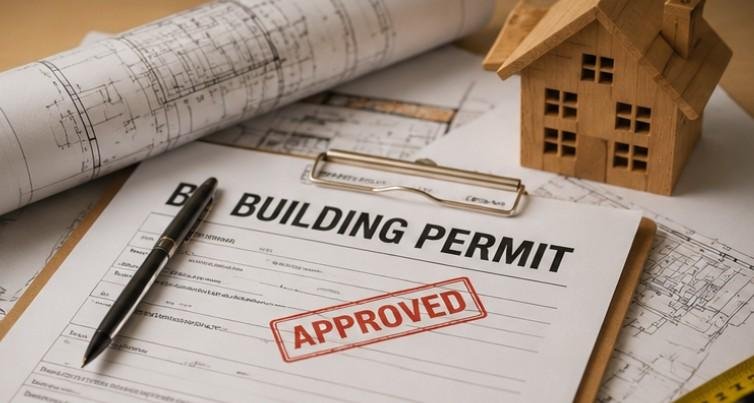
    Think of building permits as your home remodeling safety net and a handy seal of approval. Asking yourself do you need permits for renovation keeps your contractors honest, protects your family from unsafe electrical work, prevents structural collapse, and stops your local code inspector from turning your dream project into a sudden construction nightmare.

    Projects That Require Permits

    Determining whether your upcoming home improvement project requires official city approval usually comes down to structural integrity, safety risks, and major utility line modifications.

    Structural Modifications and Load-Bearing Changes

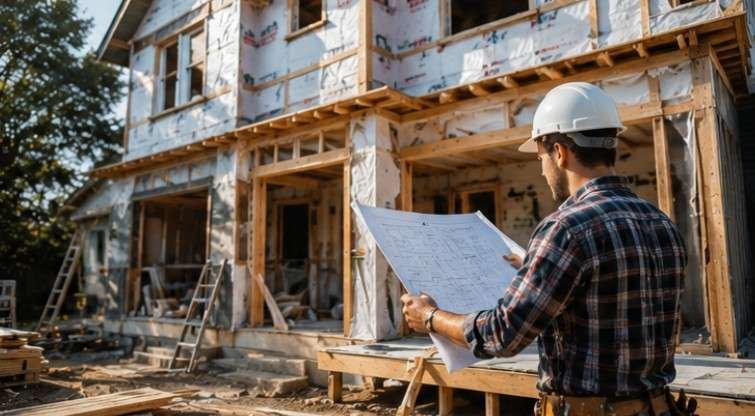
    Taking down interior walls to create a modern open floor plan alters how weight transfers through your home’s framing. Removing load-bearing partitions, changing foundation footings, modifying rooflines, and constructing new outdoor living spaces almost always require structural building permits from your local city hall.

    Electrical, Plumbing, and Gas Lines

    Electrical, Plumbing, and Gas Lines

    Upgrading electrical panels, running brand-new wiring circuits, or moving main water supply lines requires trade-specific permits. Local building inspectors must verify that high-risk mechanical work complies with current national building codes and health standards to prevent fires or water contamination.

    Exterior Structural Alterations

    Installing new windows that require cutting larger wall frames, building raised decks higher than thirty inches, or replacing entire roofing structures triggers municipal reviews. These regulations protect neighboring properties and ensure outdoor additions meet set-back requirements.

    Projects That Do Not Require Permits

    Many rewarding home improvement tasks do not require dealing with local building departments, submitting complex floor plans, or paying administrative filing fees.

    Projects That Do Not Require Permits

    Interior Finishes and Surface Updates

    Refreshing your living room walls with colorful paint, putting up wallpaper, or installing new plush carpet involves zero structural alterations. You can completely transform the visual energy of your living spaces on your own schedule without filing any paperwork with local officials.

    Direct Plumbing and Light Fixture Swaps

    Swapping an existing kitchen faucet, installing a stylish dining chandelier, or replacing outdated light switches in their original boxes requires no permission. Direct replacements using current utility locations are safe DIY updates that bypass official permit reviews.

    Kitchen and Bathroom Cabinet Replacement

    Replacing old kitchen cabinets or updating a bathroom vanity is exempt from permits as long as your layout stays identical. If you keep your original sink lines and gas ranges right where they belong, cabinet upgrades flow smoothly without municipal oversight.

    How to Get Renovation Permits Step by Step

    Applying for building permits does not need to feel like an endless administrative maze when you follow a clear plan for your project.

    First, check your local town website to review residential permit requirements and download application checklists. Draw scaled floor plans showing current layouts alongside your proposed renovation changes. 

    Submit your application online or in person alongside required plan review processing fees. Display your approved permit card visibly on your front window before contractors start demolition work. Schedule required rough-in and final building inspections as construction milestones finish up.

    What Happens When You Skip Needed Permits?

    Attempting to complete structural or utility alterations without proper permits creates serious legal and financial liabilities for homeowners.

    What Happens When You Skip Needed Permits

    Expensive Fines and Stop-Work Orders

    If municipal code enforcement officers spot unpermitted construction work, they will issue an immediate stop-work order on your property. Municipalities often charge double or triple permit fees as penalty fines before allowing any construction activity to resume.

    Complications During Home Resale

    Potential home buyers and mortgage lenders require disclosures regarding past residential renovations during home inspections. Unpermitted room additions or illegal electrical panel updates can derail real estate sales, force heavy price concessions, or require costly retroactive permitting. Additionally, it affects the home value of the property.

    Insurance Claim Denials

    If unpermitted electrical work triggers a house fire or non-code plumbing fails and floods your basement, insurance carriers may deny coverage. Insurance policies explicitly exclude damages stemming from non-compliant building modifications or unlicensed work.

    Frequently Asked Questions

    1. Do you need permits for renovation projects in most cities?

    Yes, you generally need permits for renovations involving structural framing changes, moving plumbing lines, electrical rewiring, or expanding your footprint. Cosmetic work like painting or new flooring never requires municipal permits.

    2. What happens if you add a room without a permit?

    Building an unpermitted room addition risks severe municipal fines, stop-work orders, and potential forced demolition. Unpermitted square footage cannot be counted in official real estate listings, heavily lowering property appraisal values during future sales.

    3. Do I need a permit to remodel my bathroom in Virginia?

    Yes, Virginia building codes require permits if your bathroom remodel involves moving plumbing lines, adding electrical outlets, or altering structural framing. Purely cosmetic updates like swapping vanities or repainting walls do not require permits.

    4. Do I need a permit to remodel my bathroom in San Jose?

    San Jose requires permits for bathroom remodels that shift plumbing fixtures, upgrade electrical circuits, or move walls. Simple cosmetic direct swaps for light fixtures, tile, or paint using existing locations are completely exempt from permits.

    5. What can a homeowner do without a permit in Georgia?

    Georgia homeowners can complete cosmetic repairs like interior painting, installing flooring, replacing kitchen cabinets, and swapping existing plumbing fixtures without permits. Any work altering electrical wiring, gas lines, or structural walls requires permits.

    Wrap Up Your Remodel with Total Confidence

    Now that you know the answer to do you need permits for renovation projects, you can tackle your home updates with complete confidence. Knowing the line between simple cosmetic finishes and major structural or utility overhauls keeps your property safe, financially sound, and fully compliant with local codes. Protect your home investment by checking municipal guidelines early, securing permits upfront, and building your dream space the right way.

  • How Inventory Levels Affect Home Prices Without Anyone Noticing

    How Inventory Levels Affect Home Prices Without Anyone Noticing

    I used to think home prices moved for one simple reason. If mortgage rates dropped, prices went up. If rates climbed, prices cooled. It sounded logical, and it was the explanation I heard most often. The more I followed the housing market, though, the more I realized something else was shaping prices long before the headlines caught up.

    What surprised me most was how quietly inventory influenced almost every decision buyers and sellers made. Two neighborhoods in the same city could move in completely different directions, even when the overall market looked stable. Once I understood how housing inventory worked, it became much easier to see why some homes attracted multiple offers while others sat on the market for weeks.

    What Housing Inventory Really Means

    What Housing Inventory Really Means

    Housing inventory is simply the number of homes available for sale at a given time. It sounds straightforward, but that number tells a much bigger story than many people realize.

    Real estate professionals often talk about “months of supply.” This measures how long it would take to sell every available home if no new listings entered the market. A market with five to six months of inventory is generally considered balanced because buyers and sellers have relatively equal negotiating power.

    When inventory drops below that level, competition starts increasing. When it rises above that range, buyers gain more options, and sellers usually need to work harder to attract offers.

    Low Inventory Changes Buyer Behavior Before Prices Change

    One of the biggest misconceptions is that prices immediately increase when inventory falls. In reality, buyer behavior usually changes first.

    With fewer homes available, buyers become more willing to compromise. They may overlook cosmetic issues, shorten their decision-making process, or compete against multiple offers simply because they don’t know when another suitable property will appear.

    Those choices gradually push final sale prices higher, even if asking prices haven’t changed much. The shift often happens quietly, making it difficult to notice until market reports begin showing higher property values.

    Every Neighborhood Doesn’t Follow the Same Pattern

    Every Neighborhood Doesn't Follow the Same Pattern

    Looking only at citywide inventory can create a misleading picture.

    Imagine a market where luxury homes remain plentiful while affordable starter homes become increasingly difficult to find. Overall inventory may appear stable, yet entry-level buyers suddenly face intense competition.

    This type of micro-market difference often causes first-time buyer neighborhoods to experience faster price appreciation while higher-priced homes take longer to sell. Understanding local housing supply is often far more valuable than relying on broad market averages.

    The Hidden Supply Most Buyers Never See

    Not every home for sale appears on public listing websites right away.

    Some properties remain in “coming soon” status, while others are marketed privately through agents before reaching the open market. This hidden inventory, often called shadow supply, reduces the number of visible listings available to buyers.

    As a result, active inventory can appear lower than the actual number of homes preparing to enter the market. Buyers who only see public listings may believe options are disappearing faster than they really are, creating stronger competition for available properties.

    Why Asking Prices Don’t Tell the Whole Story

    Why Asking Prices Don't Tell the Whole Story

    Many people assume falling home prices always begin with lower listing prices. That’s rarely how markets work.

    When inventory starts increasing, sellers often leave their asking price unchanged. Instead, negotiations happen behind the scenes. Buyers begin requesting inspection repairs, closing cost assistance, or other concessions that reduce the seller’s final return without changing the advertised price.

    Another early sign is a gradual increase in days on market. Homes remain listed longer before receiving acceptable offers, even though price reductions haven’t become common yet.

    Watching these smaller changes often provides a better picture of market conditions than simply following headline price reports.

    Mortgage Rates and Inventory Work Together

    Mortgage rates receive plenty of attention, but they don’t operate independently.

    Lower borrowing costs usually encourage more buyers to enter the market. If inventory remains limited at the same time, competition naturally increases. On the other hand, higher mortgage rates combined with growing housing supply often create a more balanced environment where buyers have greater negotiating power.

    Understanding both factors together provides a much clearer picture of where the real estate market may be heading.

    What Buyers and Sellers Should Watch Instead

    What Buyers and Sellers Should Watch Instead

    Instead of focusing only on median home prices, it’s worth paying attention to several early indicators:

    • Months of inventory.
    • New listings compared with active listings.
    • Average days on market.
    • Seller concessions and closing cost assistance.
    • Local neighborhood inventory rather than citywide statistics.

    Following these signals often reveals market changes before they become obvious in monthly reports.

    If you’re interested in broader housing shifts, exploring smart home market trends can also help explain how changing buyer preferences influence demand alongside inventory levels.

    FAQs: How Inventory Levels Affect Home Prices Without Anyone Noticing

    1. What does housing inventory mean?
    Housing inventory refers to the number of homes currently available for sale. It helps measure supply and gives buyers and sellers a clearer picture of market conditions.

    2. Why don’t home prices fall immediately when inventory increases?
    Sellers often keep asking prices steady at first. Instead, they accept concessions, negotiate more, or wait longer for offers before lowering prices.

    3. What is a balanced housing market?
    A balanced market usually has about five to six months of housing supply. At that level, neither buyers nor sellers hold a significant advantage during negotiations.

    4. Should buyers monitor inventory instead of home prices?
    Both matter, but inventory often signals future price movement earlier. Watching supply, days on market, and local listings helps buyers make better decisions before broader market trends become obvious.

    The Market Usually Speaks Before the Headlines

    Home prices rarely move without warning. The signs are often there long before monthly reports or news stories begin discussing market changes. Inventory, buyer activity, negotiation patterns, and local supply quietly shape the direction of prices while most people continue watching only mortgage rates or headline averages.

    The more you understand what inventory is telling you today, the easier it becomes to make confident real estate decisions tomorrow.

  • How to Find Undervalued Investment Properties for Less

    How to Find Undervalued Investment Properties for Less

    I once assumed that every low-priced property was a bargain. After considering repairs, financing, demand, and resale value, I learned that a cheap listing can become an expensive mistake. Understanding how to find undervalued investment properties means proving that the property’s realistic value exceeds its total acquisition cost.

    The best opportunities are not always the cheapest homes. They may have cosmetic problems, weak marketing, motivated sellers, or overlooked potential. A disciplined process separates genuine value from dangerous discounts.

    What Makes a Property Undervalued?

    An undervalued property is priced below reasonable market value after its condition, location, income potential, legal status, and repairs are considered.

    A property may be overlooked because the seller wants a quick transaction, the photographs are poor, the interior is dated, or an area is improving. However, structural failure, title disputes, weak rental demand, or environmental risk can turn a low price into a costly trap.

    Calculate the Real Value First

    Calculate the Real Value First

    Start with recently sold comparable properties. Choose properties with similar locations, sizes, layouts, features, and conditions. Active listings reveal seller expectations, but completed sales show what buyers have paid.

    Calculate the full acquisition cost, including price, inspections, legal fees, financing, repairs, taxes, insurance, holding expenses, and contingency.

    Potential deductions and ownership-related tax advantages can also affect the investment’s net return, so review Tax Benefits of Real Estate Investing before finalising your cost and profit calculations.

    For a rental, estimate income after vacancy, management, maintenance, taxes, and major repairs. For a flip, use a conservative after-repair value and subtract buying, renovation, holding, and selling expenses. For a BRRRR project, confirm that the likely refinance value can return capital without creating unsustainable debt.

    A Simple Deal Example

    Suppose renovated comparable properties sell for 250,000. A similar property is listed at 175,000 but needs 35,000 in repairs and 15,000 for financing, legal, holding, and selling costs. The total investment is 225,000, leaving a potential 25,000 margin.

    That margin may disappear if repairs rise or resale value falls. A genuine opportunity needs a buffer large enough to survive realistic surprises.

    Where to Find Overlooked Deals

    Where to Find Overlooked Deals

    Search Stale and Reduced Listings

    Properties available for months may have flexible sellers. Review days on market, previous prices, failed sales, and relisting history. Repeated reductions can signal motivation, but ask why earlier transactions ended.

    Look Beyond Weak Marketing

    Dark photographs, missing room details, spelling mistakes, clutter, and no floor plan can reduce attention. Compare the property’s facts with nearby sales instead of judging it by the advertisement.

    Find Motivated and Off-Market Sellers

    Owners facing relocation, inheritance, vacancy, financial pressure, or unwanted management may prioritise certainty. Build relationships with local agents, property managers, contractors, legal professionals, and community contacts.

    Research Distressed Properties

    Auctions, repossessions, tax-related sales, and lender-controlled properties can be discounted, but they may include limited inspections, title issues, unpaid charges, occupancy problems, or strict deposit rules. Investigate the terms and set a maximum bid before participating.

    Study Improving Neighbourhoods

    Transport upgrades, job growth, commercial investment, and rising rental demand can support future value. Confirm that proposed improvements are funded or underway. A developing area still needs services, safety, tenant demand, and resale liquidity.

    Look for Fixable Problems and Hidden Potential

    Cosmetic issues often create safer opportunities than structural defects. Old paint, dated fixtures, worn flooring, neglected gardens, and unattractive décor can discourage buyers without making the building unusable.

    Buyers considering vacant plots, subdivision potential, or properties with additional acreage can also review Land Investment for Beginners to understand access, zoning, utilities, holding costs, and resale demand before making an offer.

    Foundation movement, water damage, roof failure, unsafe wiring, contamination, and unapproved additions can destroy the margin. Obtain independent inspections and specialist estimates.

    Investigate legal income potential. Extra bedrooms, separate access, parking, unused land, or flexible zoning may improve returns. Never assume subdivision, conversion, or redevelopment permission will be granted.

    Use Metrics Instead of Emotion

    Use Metrics Instead of Emotion

    Useful measures include comparable value, gross yield, net operating income, capitalisation rate, cash flow, cash-on-cash return, vacancy, and after-repair value.

    The right metric depends on the strategy. A flipper needs enough resale margin, while a long-term owner needs durable rental income. A property can suit one strategy and fail another.

    Stress-test every deal by lowering expected rent or resale value, increasing renovation costs, extending the holding period, and applying a higher financing rate. If the investment works only under perfect assumptions, it is not safely undervalued.

    Complete Due Diligence

    Verify ownership, title restrictions, zoning, permits, taxes, insurance, tenancies, services, and outstanding notices. Review comparable rents, vacancy, local supply, flood exposure, and planned developments.

    Inspectors, valuers, legal advisers, and property managers can uncover risks that online research misses. Their fees may prevent a much larger loss.

    Frequently Asked Questions

    1. How do beginners identify an undervalued property?

    Compare recent sales, calculate every expense, estimate conservative income or resale value, and require a safety margin before offering.

    2. Where can I learn how to find undervalued investment properties off market?

    Build professional relationships, contact owners respectfully, monitor public records, and look for vacant, inherited, neglected, or poorly managed assets.

    3. Are auction properties always below market value?

    No. Competitive bidding, repair costs, legal problems, and restricted inspections can make an auction purchase more expensive than a normal listing.

    4. What Is the Biggest Warning Sign?

    Unclear ownership, major structural damage, weak demand, unapproved work, or costs that cannot be estimated reliably are serious warnings.

    Final Takeaways

    I now judge every potential bargain by evidence rather than excitement. The strongest deal is not the property with the largest advertised discount. It is the one with a verified value gap, manageable problems, realistic demand, clean due diligence, and enough margin to survive unexpected setbacks.

    By searching broadly, calculating conservatively, inspecting carefully, and walking away when the numbers fail, I can pursue overlooked opportunities without confusing cheap property with genuine value.

  • Pro Survival Secrets: How to Live in House During Renovation

    Pro Survival Secrets: How to Live in House During Renovation

    Navigating a major home remodel while sleeping under the same roof often feels like indoor camping surrounded by drywall dust and loud power tools. Learning how to live in house during renovation projects takes more than tolerance; it requires a realistic blueprint to protect your daily routines, health, and peace of mind while work is underway. 

    Remodeling brings noise, foot traffic, and unexpected daily surprises that disrupt even the most organized households. Staying on-site saves thousands of dollars in temporary rental fees and lets you monitor progress up close. With proactive planning, clear boundaries, and smart temporary setups, staying put during construction can be surprisingly manageable.

    Key Takeaways

    • Create a dedicated dust-free safe zone with sealed doorways and independent air filtration.
    • Set up a temporary kitchen with plug-in appliances before demolition starts.
    • Establish clear contractor ground rules regarding working hours, parking, and daily cleanups.
    • Balance budget savings with mental well-being when deciding to stay on-site.
    • Plan routines around scheduled utility shutoffs to avoid daily household disruptions.

    Creating Safe and Clean Zones

    Preparing your living spaces before the crew arrives prevents damage to personal property and establishes clear physical boundaries.

    Seal the Work Area

    Fine drywall and saw dust penetrate every unsealed corner of a home if left unmanaged. Professional contractors use plastic zip-wall barriers and heavy-duty tape to block construction zones from your living space. Homeowners should also seal return air vents in active work zones to prevent dust from recirculating through the central HVAC system.

    Run Air Purifiers

    Having clean indoor air provides essential health protection and comfort after a long, dusty workday. Keep HEPA air filters running constantly in occupied rooms to trap fine drywall and wood dust before it settles. Stock this clean space with extra filters, comfortable seating, and noise-canceling headphones for total relaxation.

    Protect Floors

    Heavy foot traffic and flying debris quickly ruin hardwood, carpet, and tile pathways. Cover non-renovated pathways with protective surface boards like Ram Board to control dirt tracking throughout the property. Secure the edges with painter tape so nobody trips when walking past active construction areas.

    Managing Daily Essentials

    Maintaining basic daily functions like eating and bathing requires clever temporary workarounds when primary spaces are gutted as per the decided order to remodel the house.

    Set Up a Makeshift Kitchen

    Set Up a Makeshift Kitchen

    Losing access to a primary kitchen presents one of the biggest daily challenges during a remodel. Move a fridge, microwave, and hot plate or air fryer into a separate room away from the dust. Setting up a functional kitchenette in a dining room, garage, or hallway keeps meal preparation simple and affordable.

    Use Disposable Items

    Washing cooking utensils without a deep kitchen sink creates unnecessary daily frustration and messy plumbing backups. Switch to paper plates and plastic cutlery to make clean-up manageable when you lack a functional sink. Collect trash daily in heavy bags to keep your temporary eating zone fresh and pest-free.

    Plan Bathroom Priorities

    Sharing one functional bathroom during a major overhaul demands strict scheduling and organization across the household. Ensure at least one working bathroom is untouched, or schedule your project so it remains operational throughout demolition. Create morning shower schedules so family members do not compete for access before work or school.

    Contractor Communication and Safety Protocols

    Clear ground rules prevent misunderstandings and maintain household safety throughout the construction timeline.

    Setting Clear Operational Ground Rules

    Setting expectations on day one ensures respect for your living space and personal time. Establish designated parking areas, specified crew restrooms, and allowed entry doors before work begins. Agree on daily work hours, typically 8:00 AM to 5:00 PM, and require a daily job site sweep before the crew leaves.

    Protecting Kids and Pets from Hazards

    Protecting Kids and Pets from Hazards

    Active job sites present real physical dangers to curious children and domestic pets. Install sturdy baby gates or temporary lockable doors to physically block access to open walls, exposed wiring, and subfloors. Keep pets secure in designated rooms or consider daytime boarding during heavy demolition phases.

    Timeline-Based Adaptation Tips

    Organizing your daily schedule around key construction phases keeps stress manageable and expectations realistic.

    Pre-Demolition Week Preparation

    Preparation work completed prior to demolition sets the tone for a smoother project. Pack away all breakable items, artwork, and non-essential belongings into sealed storage bins. Label every container clearly and confirm water, gas, and electrical shutoff schedules with your project manager.

    Active Construction Phase Management

    Adapting to changing daily conditions helps maintain household balance while heavy work occurs. Prepare simple meals using your temporary kitchen setup or budget for takeout options during intense work weeks. Plan outdoor activities or work-from-home shifts away from the house during heavy pounding or tile-cutting hours.

    Budgeting: Staying On-Site vs. Moving Out

    Evaluating financial tradeoffs helps determine whether staying on-site makes sense for your project scale.

    Budgeting Staying On-Site vs. Moving Out

    Cost Breakdown Analysis

    Living at home during construction saves direct rental expenses but introduces hidden secondary costs. Staying on-site eliminates short-term rental costs that often range from $2,500 to $6,000 per month depending on location. However, factors like frequent takeout meals and extra storage bin rentals offset some of those savings.

    Decision-Making Framework

    Certain project conditions make staying on-site impractical or unsafe. Consider short-term relocation if your project requires complete roof removal, total plumbing line shutoffs lasting weeks, or major asbestos abatement. Households with infants or individuals with severe respiratory conditions should also prioritize temporary housing.

    Frequently Asked Questions

    1. Can I live in my house while it’s being renovated?

    Yes, learning how to live in house during renovation makes staying on-site completely possible. You can live in your house during cosmetic updates or single-room remodels as long as you maintain one functional bathroom, a temporary kitchen setup, and a sealed, dust-free bedroom zone.

    2. What is the 30% rule for renovations?

    The 30% rule suggests allocating 15% to 30% of your total renovation budget for unexpected costs, delays, or structural surprises that arise once walls and subfloors are opened during construction. This buffer keeps your project moving smoothly without financial strain.

    3. What are the most common renovation regrets?

    Common renovation regrets include failing to establish a realistic contingency budget, rushing design decisions, hiring contractors based solely on the lowest quote, and underestimating the daily disruption of living on-site throughout the active construction timeline.

    4. Where do I live while my house is being renovated?

    If living on-site isn’t feasible due to utility shutoffs or hazardous dust, homeowners typically stay in short-term furnished rentals, Extended Stay hotels, or with family members. RV rentals parked on the driveway are another popular option.

    Surviving Construction with Your Sanity Intact!

    Mastering how to live in house during renovation projects comes down to careful preparation, clear communication, and ongoing personal flexibility. By setting up a functional temporary kitchen, enforcing contractor ground rules, protecting a dust-free sanctuary, and managing air filtration, you can navigate construction delays smoothly. Focus on the final transformation, protect your daily peace of mind, and enjoy watching your newly remodeled home come to life!

  • Modern Home Buying Habits That Are Reshaping Real Estate Decisions

    Modern Home Buying Habits That Are Reshaping Real Estate Decisions

    A few years ago, I noticed that people would walk into an open house and make decisions based on a feeling. If they liked the kitchen or imagined family gatherings in the backyard, the rest often fell into place. Lately, those conversations have changed. Friends, neighbors, and even first-time buyers spend weeks researching before they ever step inside a property. They’re asking smarter questions and paying attention to details that barely crossed their minds before.

    I also see people talking less about owning the biggest house and more about owning the right one. The excitement is still there, but it’s balanced with careful planning. Buyers want homes that fit the way they live today while still making sense years from now. That shift is quietly changing the real estate market, and it’s one of the biggest reasons modern home buying habits look so different in 2026.

    Why Home Buying Looks Different Today

    Why Home Buying Looks Different Today

    Buying a home has always been a major financial decision, but today’s buyers have access to more information than ever before. Property listings, neighborhood data, virtual tours, mortgage calculators, and market reports are available within minutes. Instead of relying on a single visit, buyers often build a complete picture of a home before scheduling a showing.

    Economic conditions have also encouraged a more thoughtful approach. Higher borrowing costs and changing household budgets mean people are taking extra time to compare options, evaluate affordability, and think about long-term value rather than rushing into a purchase.

    Research Starts Long Before the First Showing

    The home search now begins online, and it often stays there for quite some time. Buyers compare listings, explore neighborhood maps, read local reviews, and take virtual tours before deciding which homes deserve an in-person visit.

    Digital tools have made it easier to narrow down choices, but they’ve also raised expectations. Buyers arrive at showings already knowing the property’s history, nearby schools, commute times, and even estimated monthly costs. Real estate decisions are becoming more informed because the research process has become much deeper.


    Buyers Want Homes That Adapt to Everyday Life

    Buyers Want Homes That Adapt to Everyday Life

    Square footage still matters, but it isn’t the deciding factor it once was. Functional layouts have become one of the strongest home buyer preferences because people expect their homes to support different parts of daily life.

    A spare bedroom can become a home office. A finished basement might serve as a workout space or media room. Open living areas that allow families to work, relax, and entertain comfortably often appeal more than simply having additional rooms.

    This shift reflects how hybrid work continues to influence housing decisions. Buyers are looking beyond today’s needs and asking whether a home will remain practical if their routines change.

    Financial Confidence Matters More Than Speed

    One of the biggest modern home buying habits is taking a more cautious approach to finances.

    Instead of stretching budgets to purchase the largest possible property, many buyers are focusing on comfortable monthly payments, emergency savings, and future flexibility. Mortgage rates remain an important factor, but buyers are also paying close attention to property taxes, insurance, maintenance costs, and potential resale value.

    That mindset often changes how negotiations unfold. Understanding the difference between a buyer market vs seller market helps buyers adjust their expectations and recognize when they have more room to negotiate or when stronger competition requires quicker decisions.

    Smart Features Are Becoming Everyday Expectations

    Smart Features Are Becoming Everyday Expectations

    Technology has become part of the buying conversation in ways that didn’t exist a decade ago.

    Energy-efficient appliances, smart thermostats, video doorbells, and solar panels are increasingly viewed as practical investments rather than luxury upgrades. Buyers appreciate homes that can reduce utility costs while offering greater convenience and security.

    These improvements also support long-term affordability, making them attractive to homeowners who plan to stay in one place for many years.

    Neighborhood Lifestyle Shapes the Final Decision

    A home’s location has always been important, but buyers are evaluating neighborhoods differently today.

    Walkable streets, nearby parks, coffee shops, grocery stores, and recreational spaces often influence purchasing decisions as much as the house itself. Many buyers want communities where everyday errands require less driving and where local amenities encourage a healthier lifestyle.

    Even curb appeal has taken on greater importance. A welcoming entrance, well-maintained landscaping, and neutral interior finishes create positive first impressions that can shape how buyers feel before they explore the rest of the property.

    Social Media Is Quietly Influencing Buyer Expectations

    Social Media Is Quietly Influencing Buyer Expectations

    Design inspiration no longer comes only from magazines or television shows. Social media platforms have introduced buyers to ideas that quickly become part of their wish lists.

    Reading corners, organized pantries, mudrooms, and functional storage solutions regularly appear in home searches because people see how those spaces improve everyday living. These trends may begin online, but they often influence real purchasing decisions.

    Fortunately, buyers are becoming better at separating lasting value from temporary design trends. Practical improvements usually carry more weight than decorative features alone.

    Today’s Habits Will Continue Shaping Tomorrow’s Market

    The way people buy homes continues to evolve alongside technology, work, and changing lifestyles.

    Rather than making emotional decisions based on appearances alone, buyers are considering flexibility, efficiency, affordability, and future needs. Homes that support everyday life without creating unnecessary financial pressure are becoming the strongest choices across many housing markets.

    FAQs: Modern Home Buying Habits That Are Reshaping Real Estate Decisions

    1. What are the biggest modern home buying habits today?
    Today’s buyers research extensively, compare financing options, prioritize flexible layouts, and look for homes that fit both current and future lifestyles.

    2. Why are flexible home layouts becoming more popular?
    Hybrid work, growing families, and changing routines make multipurpose spaces more useful than simply having additional square footage.

    3. Do smart home features influence buying decisions?
    Yes. Features like smart thermostats, energy-efficient appliances, and security systems improve convenience while helping reduce long-term operating costs.

    4. Why do buyers spend so much time researching before visiting homes?
    Online listings, virtual tours, neighborhood information, and market data allow buyers to narrow their options, making in-person visits more focused and informed.

    The Way People Buy Homes Will Keep Evolving

    Modern home buying habits aren’t changing because buyers have become more cautious. They’re changing because people understand that purchasing a home affects their finances, daily routines, and long-term goals. The homes attracting the most attention today are those that offer flexibility, practical design, and lasting value instead of simply checking the biggest or newest boxes.

    The smartest buying decisions often begin long before the first property tour.